When They See Us – True Story of Central Park Five
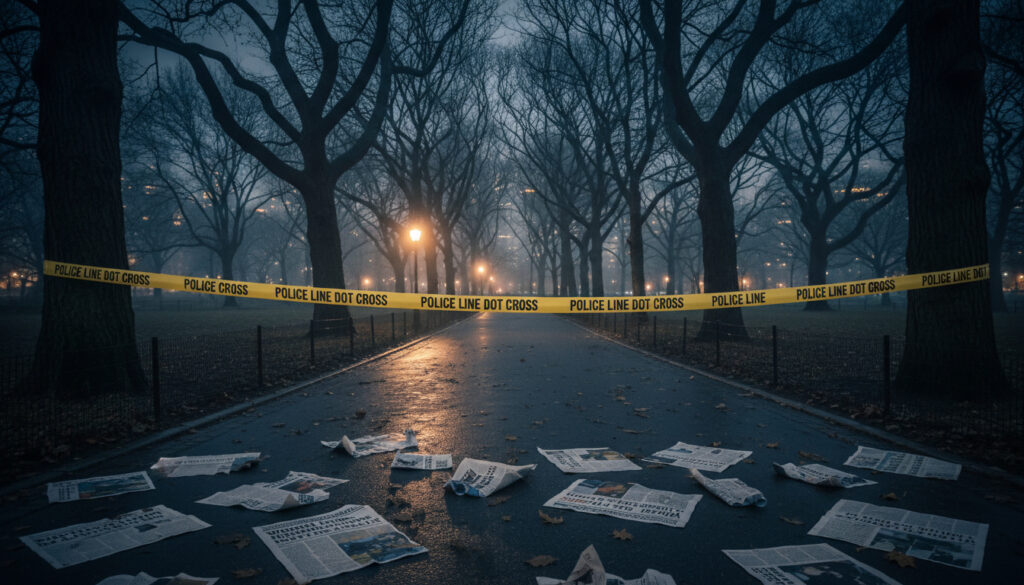
When They See Us is a four-part Netflix limited series directed by Ava DuVernay that reconstructs the true story of five Black and Latino teenagers wrongfully convicted for the 1989 assault and rape of a jogger in New York City’s Central Park. The miniseries examines how prolonged police interrogations coerced false confessions from the minors, setting in motion a legal battle that would span more than two decades.
Released in May 2019, the production draws from court records, archival footage, and the lived experiences of the men formerly known as the Central Park Five—now called the Exonerated Five. The narrative traces their lives from the initial 1989 questioning through their exoneration in 2002 and the subsequent civil settlement with the city in 2014.
The series has garnered critical acclaim for its unflinching portrayal of systemic failures, earning multiple Emmy Awards and a Peabody, while reigniting public discourse on racial bias in the criminal justice system. For viewers interested in narrative experiences that blend historical rigor with emotional depth, the series offers a complementary viewing experience to other structured storytelling formats, not unlike the strategic depth found in a Story of Seasons Grand Bazaar Beginner’s Guide.
What Is ‘When They See Us’ About?
The miniseries dramatizes the events surrounding the April 19, 1989 attack on a 28-year-old investment banker jogging through Central Park. Rather than focusing solely on the crime, the narrative centers on the five teenagers—Antron McCray, Kevin Richardson, Yusef Salaam, Raymond Santana, and Korey Wise—and their families as they navigate a prosecution built on coerced statements and public hysteria.
| Release | May 2019, Netflix (4 episodes) |
| Creator | Ava DuVernay |
| Based On | Central Park Five wrongful convictions (1989) |
| Recognition | 2 Emmys, Peabody, Critics’ Choice |
- Portrays the 1989 Central Park jogger assault and the teenagers’ coerced interrogations
- Highlights systemic racial injustice and the psychology of false confessions
- Holds a 97% approval rating on Rotten Tomatoes
- Spans 25 years, from initial arrest through the 2014 settlement
- Features Jharrel Jerome’s portrayal of Korey Wise, who served time in adult prison
- Prompted renewed scrutiny of Donald Trump’s 1989 newspaper advertisements
| Fact | Details |
|---|---|
| Exoneration Date | December 19, 2002 (DNA match to Reyes) |
| Victim | Trisha Meili (jogger assaulted) |
| Confessions | Videotaped but recanted; coercion alleged |
| Settlement | $41 million from NYC in 2014 |
| Runtime | Approximately 5.5 hours total |
| Series Type | Limited series (4 episodes) |
Who Are the Central Park Five?
The defendants were minors at the time of arrest, ranging from 14 to 16 years old. Antron McCray, Kevin Richardson, Yusef Salaam, and Raymond Santana were ages 14 or 15, while Korey Wise was 16. Despite inconsistent details in their statements and the absence of physical evidence linking them to the crime scene, all five were convicted in 1990 and served between six and thirteen years in prison.
What Happened to Korey Wise?
Wise, the eldest at 16, was tried as an adult and served more than 13 years in adult correctional facilities, including time at Rikers Island and the maximum-security Auburn Prison. His experience occupies a significant portion of the miniseries, depicting his vulnerability to violence and psychological trauma while incarcerated. It was during his imprisonment that Wise encountered Matias Reyes, the eventual confessor to the Central Park assault, a chance meeting that would prove pivotal to their eventual exoneration.
Who Plays the Central Park Five?
The series employs multiple actors to portray the men at different ages. Jharrel Jerome plays Korey Wise across both juvenile and adult timelines, a performance that earned him an Emmy Award. Caleel Harris and Ethan Herisse portray Antron McCray at different ages, while Asante Blackk and Justin Cunningham play Kevin Richardson. Marquis Rodriguez and Chris Chalk appear as Raymond Santana, and Ethan Herisse and Chris Chalk portray Yusef Salaam at various stages.
What Happened in the Central Park Jogger Case?
On the evening of April 19, 1989, a 28-year-old female jogger was discovered unconscious in Central Park, having been severely beaten and sexually assaulted. The attack left her in a coma for twelve days. Simultaneously, police detained a group of approximately 30 teenagers who had entered the park that night, including the five who would become central to the investigation.
Investigators separated the minors from their parents and guardians, subjecting them to lengthy interrogations without legal counsel present. According to Innocence Project documentation, the techniques used included sleep deprivation, deception about evidence, and psychological pressure that led the exhausted teens to provide contradictory statements implicating one another.
While the confessions were videotaped, the recordings of the preceding hours of interrogation were not. The visible statements appeared coherent on camera, but the minors had spent hours in custody without food or sleep, raising questions about voluntariness that would later become central to their exoneration claims.
Did the Central Park Five Confess?
All five teenagers provided written or videotaped statements admitting participation in the assault, though they immediately recanted once allowed to speak with parents or attorneys. The confessions contained factual inaccuracies regarding the weapon used, the location of the attack, and the nature of the injuries—details that did not align with forensic evidence. DNA testing available at the time excluded all five from the biological evidence collected from the crime scene, a fact that failed to prevent their convictions amid intense media pressure.
Matias Reyes, the man who later confessed to the jogger attack, had assaulted and attempted to rape another woman in Central Park just two days earlier. Police did not connect the two incidents at the time, a failure that allowed Reyes to remain at large to commit the subsequent attack for which the five teenagers were charged.
Who Is Matias Reyes?
Reyes was a serial rapist already serving a life sentence for unrelated crimes when he encountered Korey Wise in an upstate New York prison in 2002. Facing his own conscience and Wise’s continued incarceration for a crime he knew he committed, Reyes confessed to being the sole perpetrator of the Central Park assault. He stated that he acted alone and provided specific details about the crime that had not been publicly disclosed, corroborated by DNA evidence that matched samples from the scene.
Contemporary news reports adopted the term “wilding” to describe the teenagers’ alleged behavior—a word choice that framed them as a violent horde and influenced public perception before trial. The series examines how this narrative, amplified by tabloid coverage, effectively stripped the defendants of their presumption of innocence.
When Were the Central Park Five Exonerated?
On December 19, 2002, the convictions of all five men were vacated by the New York Supreme Court following a joint investigation by the Manhattan District Attorney’s office and the Innocence Project. DNA evidence conclusively matched Matias Reyes, and his detailed confession—corroborated by facts only the true perpetrator would know—left no legal basis for the convictions to stand.
In 2014, the City of New York agreed to a $41 million settlement to resolve civil lawsuits alleging malicious prosecution, racial discrimination, and emotional distress. The men, who had served a combined total of more than 40 years in prison, also pursued additional claims through the New York Court of Claims, with Antron McCray separately settling for $600,000. While the city admitted no wrongdoing, the monetary resolution validated the men’s claims of systemic failure.
Why Was Donald Trump Involved in the Central Park Five Case?
In 1989, Donald Trump purchased full-page advertisements in four New York City newspapers calling for the reinstatement of the death penalty in New York state. While the ads did not explicitly name the five teenagers, they appeared during the peak of media coverage and were widely interpreted as advocating for capital punishment in their case. The series incorporates this historical context, noting that Trump refused to recant his position even after the 2002 exoneration, maintaining as recently as 2019 that he believed in their guilt despite the DNA evidence. The cultural staying power of such media events often parallels modern viewing habits, where audiences plan their consumption of significant media moments much like they might consult a How to Watch the Super Bowl guide for major broadcasts.
Timeline of the Central Park Five Case
- : A female jogger is attacked and raped in Central Park. Five teenagers are arrested during a police sweep of the park.
- : The teenagers are interrogated and provide false confessions; media frenzy begins with “wilding” narrative.
- : Trials conclude; all five are convicted despite DNA excluding them from the crime scene.
- : Defendants serve between 6 and 13 years in various correctional facilities.
- : Matias Reyes encounters Korey Wise in prison and confesses to the crime.
- : Convictions vacated based on DNA evidence matching Reyes and his detailed confession.
- : The five men file a civil lawsuit against New York City.
- : New York City settles for $41 million; additional Court of Claims settlements follow.
- : Netflix releases When They See Us, directed by Ava DuVernay.
Established Facts and Lingering Questions
| Established Information | Uncertainties and Ambiguities |
|---|---|
| The five men were definitively exonerated by DNA evidence and a confession from the actual perpetrator in 2002, as documented by the Innocence Project and New York courts. | The precise details of coercion during the unrecorded portions of interrogations remain disputed, as these sessions were not videotaped. |
| Matias Reyes’s DNA matched evidence from the crime scene, and he provided non-public details of the assault. | The victim, who suffered traumatic brain injuries, has no memory of the attack, leaving some aspects of the crime sequence reliant solely on Reyes’s account. |
| The 2014 settlement validated claims of malicious prosecution, though the city admitted no wrongdoing. | The extent to which racial bias consciously influenced specific prosecutorial decisions versus systemic patterns remains a subject of legal and scholarly debate. |
Historical Context and Cultural Impact
The case emerged during a period of heightened anxiety about crime in New York City, with 1989 marking a peak in reported violent incidents that positioned the prosecution within a broader narrative of urban disorder. The series contextualizes how law enforcement priorities and media sensationalism converged to create what critics describe as a “perfect storm” of injustice, where the presumption of innocence was supplanted by racialized fears.
Beyond the specific legal outcome, the miniseries contributed to ongoing discussions about juvenile justice reform, particularly regarding the interrogation of minors without parental or legal presence. It also prompted renewed examination of historical figures who commented on the case, influencing public understanding of institutional accountability in wrongful conviction scenarios.
Sources and Perspectives
The series draws upon extensive documentation from the Innocence Project, court transcripts, and contemporary news archives to reconstruct events. Legal analysts cite the case as a definitive study in coerced confession psychology and systemic bias.
“Ava DuVernay has done something extraordinary.”
— Oprah Winfrey
“We were innocent.”
— Yusef Salaam
Where to Watch and Final Thoughts
When They See Us remains available for streaming exclusively on Netflix. The four-part series offers a comprehensive examination of one of the most significant miscarriages of justice in modern American history, serving both as a historical record and a call for continued scrutiny of interrogation practices and prosecutorial accountability.
Frequently Asked Questions
How accurate is When They See Us?
The series adheres closely to court records and the Innocence Project’s documentation, though some dialogue and internal scenes are dramatized reconstructions. The core facts—coerced confessions, exclusionary DNA evidence, and the eventual exoneration—are verified by official records.
What awards did When They See Us win?
The miniseries won two Primetime Emmy Awards, including Outstanding Lead Actor for Jharrel Jerome, and received a Peabody Award and Critics’ Choice honors for its contribution to television storytelling.
What is the ending of When They See Us?
The final episode depicts the 2002 exoneration following Matias Reyes’s confession, the 2014 settlement with New York City, and the men reclaiming their lives, with closing scenes showing the real Exonerated Five today.
How long were the Central Park Five in prison?
The men served between six and thirteen years. Korey Wise, tried as an adult, served the longest at over 13 years in maximum-security facilities.
Is Trisha Meili, the jogger, still alive?
Yes. Meili survived the attack after twelve days in a coma, though she has no memory of the assault. She later authored a memoir about her recovery and identification as “the Central Park Jogger.”
Why did Matias Reyes confess?
Reyes stated that encountering Korey Wise in prison convinced him that “it was the right thing to do” to confess, acknowledging he alone was responsible for the attack.
More related posts
 Walmart Money Center Hours: Services, Fees & Locations
 Electrical Supply Near Me: Wholesale & Retail in Dublin
 Padres vs Mets Match Player Stats: 2026 Season Series
 What Is the Capital of France? Paris Facts, Food & Travel Tips
 One World Trade Center – Height, History, Observatory Guide
 Halloween Movies in Order: Complete Guide to the Franchise
 Teaspoons in a Tablespoon: Conversion Guide (tsp to tbsp)
 What Does ‘As Above, So Below’ Mean? Origin & Misconceptions