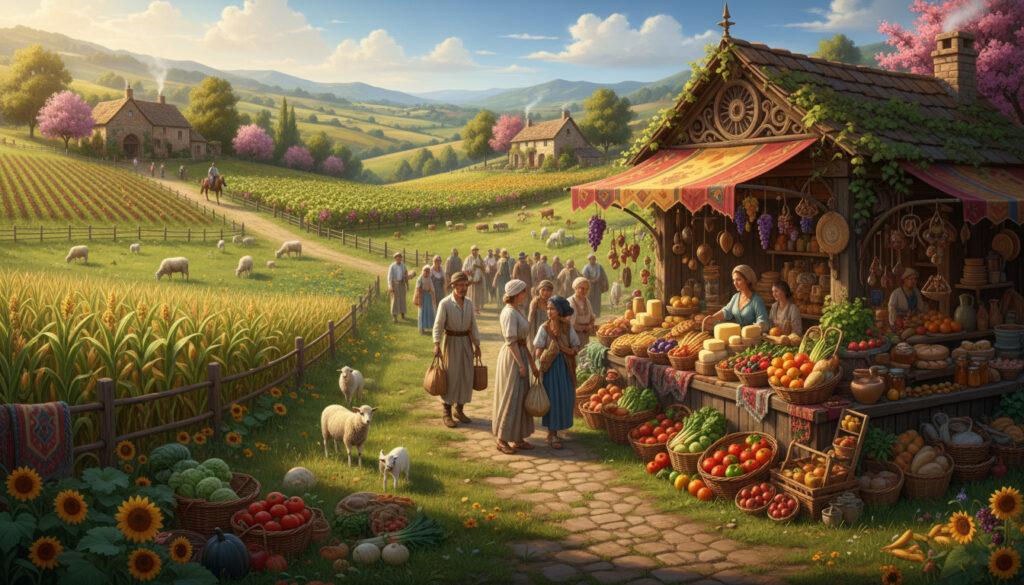
Story of Seasons Grand Bazaar – Beginner’s Guide and Tips
Introduction
Story of Seasons: Grand Bazaar represents a significant departure from traditional farming simulation conventions through its mercantile-focused gameplay loop. Originally released in North America as Harvest Moon: Grand Bazaar for the Nintendo DS in August 2010, the title developed by Marvelous Entertainment replaced the franchise’s standard shipping bin mechanic with a dynamic weekly marketplace. This entry tasks players with revitalizing a declining trading post by mastering direct commerce, wind-powered processing, and strategic inventory management. The game maintains its relevance among simulation enthusiasts through unique economic systems that influenced subsequent agricultural RPG designs.
Key Specifications
| Platform | Developer | Publisher | North American Release |
|---|---|---|---|
| Nintendo DS | Marvelous Entertainment | Natsume | |
| Wii (PAL Regions) | Marvelous Entertainment | Rising Star Games |
Gameplay Insights
The central bazaar operates every Saturday from 7:00 AM to 5:00 PM, fundamentally altering the economic rhythm established in previous entries. Rather than placing goods in a shipping bin for automatic overnight conversion to capital, players transport merchandise to personal stalls and engage in direct haggling with village residents. Weather conditions significantly impact foot traffic and customer spending habits, with sunny days drawing larger crowds than stormy weather. Unsold inventory returns to the player’s storage, creating risk-reward calculations absent from passive income models.
Four upgradable windmills serve as crucial production infrastructure, converting raw materials into higher-value commodities. Wheat transforms into flour, flowers into perfume, and ores into refined metals through this mechanical processing system. These facilities operate on wind power rather than player stamina, introducing resource management layers distinct from typical energy-depletion mechanics found in similar farming simulations.
Comparative Feature Analysis
| Feature | Grand Bazaar | Traditional Series Entries |
|---|---|---|
| Sales Mechanism | Active weekly bazaar with haggling | Passive daily shipping bin |
| Processing | Windmill-based automation | Player-crafted tools or purchased services |
| Multiplayer | Local wireless (DS only) | Usually single-player or online trade |
| Stamina System | Limited daily energy with cooking restoration | Variable by title |
Detailed Mechanics
The marriage system includes standard courtship activities—gift-giving, heart events, and commitment ceremonies—alongside unique bazaar-related triggers requiring specific commercial achievements. Candidates include the baker Freya, the musician Ivan, and the rancher Dirk, among others. The rival marriage system returns, allowing NPC couples to form independent of player actions, creating dynamic social evolution across the game years.
Multiplayer functionality supports up to three additional farmers visiting via local wireless connection on the DS version. Guests can participate in bazaar selling, compete in crop-growing contests, and exchange items. This functionality was removed entirely from the Wii port, which instead incorporated Wii Remote motion controls for tool usage and enhanced visual presentation at 480p resolution.
Release Timeline
- : Japanese debut as Bokujou Monogatari: Daiyasuteki Kaze Youkoso
- : North American Nintendo DS release via Natsume
- : European and Australian Wii port publication (PAL exclusive)
- : Wii U Virtual Console re-release in North America
Clarifying the Legacy
The title occupies a unique position in franchise history, launched during the transition period between Natsume’s Harvest Moon localization and Marvelous’s subsequent partnership with XSEED Games for the Story of Seasons rebranding. While originally marketed under the Harvest Moon umbrella, modern retrospectives classify it within the Story of Seasons canon following XSEED Games’ acquisition of publishing rights.
Regional availability discrepancies create collector interest, as the Wii version never released in North American markets, remaining exclusive to PAL territories with optimized 50Hz/60Hz display support. The Wii U Virtual Console preservation ensures digital accessibility for the DS original, maintaining compatibility with standard button controls without touch-screen requirements on modern hardware.
Critical Analysis
Contemporary reviews acknowledged the bazaar innovation while noting pacing constraints. IGN awarded the title 7.5/10, praising the mercantile strategy but criticizing the slow initial progression that gates content behind multiple in-game weeks. Aggregate scores on Metacritic settled in the mid-70s range, reflecting general appreciation for experimental mechanics tempered by frustration regarding stamina limitations and repetitive dialogue.
The design philosophy influenced later Marvelous productions, with Story of Seasons: Pioneers of Olive Town revisiting festival-based selling formats and Story of Seasons: A Wonderful Life incorporating similar social commerce elements. The game sold approximately 180,000 copies in North America during its initial retail cycle, respectable for a niche DS title in the early 2010s market.
Review Quotations
“The bazaar system breathes fresh life into the Harvest Moon formula, forcing players to consider market psychology alongside soil quality.”
— GameSpot
“Windmills and weekly markets create a compelling loop, though the first month demands significant patience before economic strategies fully unlock.”
— Nintendo Power
Summary
Story of Seasons: Grand Bazaar endures as a distinct entry that prioritized mercantile strategy over passive accumulation. The Saturday bazaar structure creates natural weekly rhythms distinct from daily shipping routines, while windmill automation introduces production-line planning to the agricultural fantasy. Available through Wii U Virtual Console services, the title remains accessible for simulation enthusiasts seeking its particular blend of commerce and cultivation, representing an essential evolutionary step between classic Harvest Moon sensibilities and modern Story of Seasons complexity.
Frequently Asked Questions
Is Story of Seasons: Grand Bazaar different from Harvest Moon: Grand Bazaar?
They are identical games. The title released as Harvest Moon: Grand Bazaar in 2010 before subsequent rebranding to Story of Seasons following publisher changes. Modern discussions and digital storefronts often use the Story of Seasons nomenclature for consistency with current franchise entries.
Can I play Grand Bazaar on Nintendo Switch or modern hardware?
The game is not natively available on Nintendo Switch. Players can access the title through Wii U Virtual Console emulation or original Nintendo DS hardware. No official ports or remasters have been announced for current-generation consoles.
What are the marriage candidate options?
The game features twelve eligible partners including Freya (baker), Ivan (musician), Antoinette (florist), Dirk (rancher), and others. Each candidate requires specific heart level thresholds triggered through gift-giving and unique event triggers, some of which necessitate achieving particular bazaar quality ratings.
How does the bazaar scoring system work?
Bazaar performance evaluates based on total sales volume, customer satisfaction indicators, and inventory diversity. Higher scores unlock new vendor stalls, expand available selling hours, and eventually attract special merchant visitors offering rare seeds and animals. Consistent high performance is required to access end-game content and certain marriage events.
More related posts
 Taron Egerton Movies List: Full Filmography & 2026 Films
 American Idol Katy Perry: Why She Left After 7 Seasons
 AT&T Customer Service Number 24/7: Official Support Lines
 Hayden Panettiere Movies and TV Shows Guide
 $697 Social Security Checks: April 2025 Schedule & COLA
 How Many Hours in a Week? Total 168 Hours Explained
 Navy Federal Routing Number 256074974: ACH & Wire Guide
 Kia Stinger for Sale – Listings Prices Deals Near You