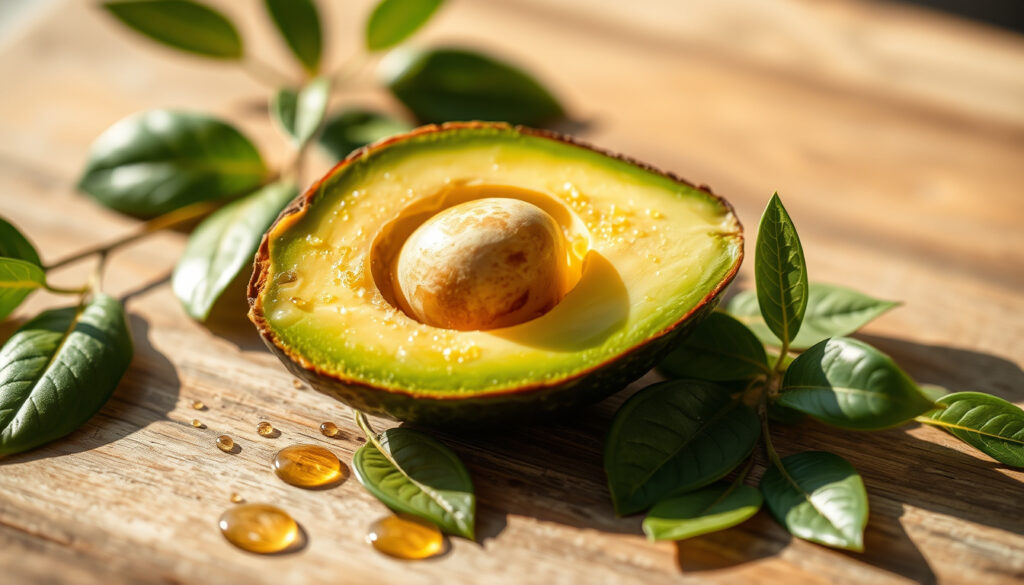
Is Avocado Oil a Seed Oil – No, It’s a Fruit Oil
Avocado oil has become increasingly popular in kitchens around the world, but confusion persists about where it actually comes from and how it is classified. The question “is avocado oil a seed oil” keeps appearing in search results, driven by ongoing debates about cooking oils, health implications, and food processing methods. Understanding the true nature of avocado oil requires examining its botanical origin, extraction process, and how it differs from oils pressed from seeds.
This confusion often stems from the fact that avocados contain a large pit, which some people associate with seeds. However, the oil is not extracted from this pit. Instead, it comes from the fleshy pulp surrounding the seed. This fundamental distinction places avocado oil in a different category entirely from oils derived from seeds such as soybeans, sunflower seeds, or canola. The difference matters for both nutritional reasons and cooking applications.
Is Avocado Oil a Seed Oil?
No, avocado oil is not a seed oil. Avocado oil is classified as a fruit oil, specifically extracted from the creamy green flesh of the avocado fruit (Persea americana), not from its pit or any seeds. This distinction is critical when understanding cooking oil categories and their respective health properties. The avocado fruit contains approximately 60 percent oil in its pulp, making it one of the few fruits with such a high oil content.
Fruit oil (pulp-derived)
No
Avocado fruit flesh
Confused with seed due to pit
Key Facts About Avocado Oil
- Extracted from avocado pulp, not seeds or pits
- Contains approximately 70 percent monounsaturated fatty acids
- Avocado seeds contain tannins and bitter compounds, making them unsuitable for oil extraction
- Can be produced through mechanical extraction without chemical solvents in higher-quality grades
- Classified into five primary categories based on extraction method and fruit quality
- Each 30 mL serving provides 3.6 mg of Vitamin E and 146.1 mg of beta-sitosterol
| Fact | Avocado Oil | Typical Seed Oil |
|---|---|---|
| Source | Fruit pulp | Seeds or kernels |
| Processing | Can be unrefined | Typically refined with high heat and solvents |
| Monounsaturated Fat | 70%+ | Lower |
| Polyunsaturated Fat (PUFA) | Lower | Higher |
| Smoke Point | 250–271°C | Generally lower |
| Oxidation Risk | Lower | Higher due to PUFA instability |
What Are Seed Oils?
Seed oils are vegetable oils extracted specifically from the seeds of various plants, typically using industrial refining processes that involve high heat and chemical solvents. Common seed oils include soybean oil, canola oil, sunflower oil, corn oil, and cottonseed oil. These oils have become ubiquitous in processed foods and restaurant cooking due to their low cost and neutral flavor profile.
The refining process for seed oils typically involves solvent extraction using chemicals like hexane, followed by bleaching, deodorizing, and high-temperature processing. This approach maximizes oil yield from seeds but can affect both the nutritional profile and stability of the final product. Many health-conscious consumers have begun questioning these processing methods and their potential impact on health.
Common Seed Oils to Know
- Soybean oil
- Canola (rapeseed) oil
- Sunflower oil
- Corn oil
- Cottonseed oil
- Safflower oil
- Rice bran oil
Unlike avocado oil, which can be extracted using cold-press mechanical methods, most seed oils require chemical solvent extraction and high-temperature refining to achieve commercial viability. This difference in production methods contributes to distinct nutritional and stability profiles between the two categories.
Seed Oils vs Fruit Oils Like Avocado
The fundamental difference between seed oils and fruit oils lies in their source material. Fruit oils, such as avocado oil and olive oil, are pressed from the fleshy pulp of fruits. Seed oils, by contrast, come from the seeds or kernels enclosed within a fruit or grain. This distinction affects not only the chemical composition of the oils but also how they behave during cooking and their potential health effects.
Is Olive Oil a Seed Oil?
Like avocado oil, olive oil is a fruit oil, not a seed oil. Both are extracted from the flesh of their respective fruits and share similar characteristics including high monounsaturated fat content and the ability to be cold-pressed. Wikipedia notes that olive and avocado oils belong to the same fundamental category, though they come from different plant species.
Is Coconut Oil a Seed Oil?
Coconut oil presents an interesting case. Technically, a coconut is a seed, but coconut oil is generally classified separately from seed oils. The oil is extracted from the coconut meat (endosperm) rather than from a true seed kernel, and it has been used traditionally for centuries without the industrial processing associated with modern seed oils.
The term “fruit oil” refers to oils extracted from the fleshy part of fruits, while “seed oil” specifically denotes oils pressed from seeds. Avocado oil falls clearly into the fruit oil category based on its botanical origin and extraction source.
Health Differences: Avocado Oil vs Seed Oils
Research indicates meaningful differences between avocado oil and seed oils in terms of fatty acid composition. Avocado oil contains approximately 70 percent or higher monounsaturated fatty acids, particularly oleic acid, which studies suggest can support cardiovascular health and help reduce inflammation. Seed oils typically contain higher proportions of polyunsaturated fatty acids, which are more susceptible to oxidation when heated. Those looking to understand nutritional factors that affect dietary choices may find these differences particularly relevant.
The smoke point of an oil is particularly relevant for cooking applications. Unrefined avocado oil has a smoke point of 250°C (482°F), while refined avocado oil reaches 271°C (520°F), according to Wikipedia. This exceptional heat stability makes avocado oil suitable for high-temperature cooking methods including searing, frying, and roasting, where less stable oils might break down and produce potentially harmful compounds.
Understanding Fatty Acid Profiles
Monounsaturated fats, abundant in avocado oil, are considered more stable than polyunsaturated fats when exposed to heat and light. Seed oils generally contain higher levels of polyunsaturated fatty acids, which include omega-6 and omega-3 fats. While these fats are essential in the diet, their instability when heated has raised concerns among some researchers and health advocates.
UC Davis researchers found that at least 82 percent of avocado oil test samples were either stale before their expiration date or mixed with other oils. The most common adulterants were cheaper refined seed oils. This finding, reported by UC Davis, highlights the importance of purchasing from reputable sources and looking for third-party certification when buying avocado oil.
Understanding What Is Actually Known vs Uncertain
Consumers seeking to make informed choices about cooking oils benefit from distinguishing between established facts and areas where scientific understanding remains incomplete.
| Established Information | Information That Remains Unclear |
|---|---|
| Avocado oil comes from fruit pulp, not seeds | Long-term health impacts of various seed oils in humans |
| It contains primarily monounsaturated fats | Optimal ratios of dietary fatty acids |
| It has a high smoke point | Specific thresholds for “safe” consumption levels |
| Adulteration is common in the market | Full extent of processing effects on nutrition |
| Classification system exists for quality grades | Regulatory oversight and labeling accuracy |
The Context Behind Seed Oil Concerns
The growing concern about seed oils in health and nutrition circles stems from several converging factors. Industrial processing methods, the prevalence of omega-6 fatty acids in Western diets, and questions about oxidation products formed during high-heat cooking have all contributed to increased scrutiny. Heart and Soil note that similar adulteration issues affect olive oil as well, suggesting these are industry-wide challenges rather than isolated problems.
Understanding the distinction between avocado oil and seed oils becomes important in this context. While some consumers actively avoid seed oils due to processing concerns, avocado oil occupies a different position based on its botanical origin, extraction methods, and fatty acid composition. Those following specific dietary approaches may find this distinction relevant when selecting cooking fats.
The avocado oil market remains largely unregulated, which means quality can vary significantly between brands and products. Seeking out third-party certified products may help consumers find options that meet higher standards for purity and quality.
Expert Sources and Research on Avocado Oil
Scientific understanding of avocado oil continues to evolve through research published in peer-reviewed journals and conducted by agricultural and nutritional institutions. Research published in PubMed Central confirms that avocado oil is extracted from the fruit pulp rather than seeds, and that the avocado seed contains compounds including tannins that make it unsuitable for oil production.
The classification system for avocado oil, as documented by industry researchers, distinguishes between extra virgin, virgin, ordinary virgin, pure, crude, and mixed avocado oils. These categories reflect differences in extraction methods, fruit quality requirements, and free fatty acid content that affect both quality and culinary applications.
Avocado oil is classified as a fruit oil, distinct from seed oils in both botanical origin and processing characteristics. The distinction is supported by established agricultural science and documented in food classification systems.
Summary
Avocado oil is definitively not a seed oil. It is a fruit oil extracted from the creamy pulp of the avocado fruit, placing it in the same category as olive oil. This distinction matters for consumers who wish to differentiate between oils based on their source, processing methods, and fatty acid composition. Avocado oil offers a high smoke point, substantial monounsaturated fat content, and versatility in cooking applications. However, quality concerns exist in the marketplace, making source verification and third-party certification valuable when purchasing. Those interested in understanding nutritional factors that affect dietary choices may find this distinction relevant when planning meals and selecting cooking fats.
Frequently Asked Questions
Is olive oil a seed oil?
No, olive oil is not a seed oil. Like avocado oil, olive oil is classified as a fruit oil extracted from the flesh of olives rather than from seeds.
Is coconut oil a seed oil?
Coconut oil is typically classified separately from seed oils despite the coconut being technically a seed. The oil comes from the coconut meat rather than a seed kernel, and it has a distinct fatty acid profile.
What are the healthiest cooking oils?
Oils high in monounsaturated fats with stable profiles at cooking temperatures, such as avocado oil and olive oil, are often recommended. Dietary choices should consider overall fat intake and cooking methods.
Why are seed oils considered problematic?
Concerns about seed oils often relate to processing methods involving chemical solvents and high heat, higher polyunsaturated fat content that may oxidize during cooking, and prevalence in processed foods contributing to excessive omega-6 intake.
What is extra virgin avocado oil?
Extra virgin avocado oil is produced from high-quality fruit using only mechanical extraction at temperatures below 50°C without chemical solvents. It has a free fatty acid content of 0.8 percent or less.
How can I verify avocado oil quality?
Look for third-party certification, check for specific free fatty acid percentages on labels, purchase from reputable suppliers with transparent sourcing, and be aware that UC Davis research found 82 percent of tested products had quality issues.
More related posts
 NFL Games on TV Today – No Games, Upcoming Schedule
 Where is Mount Everest? Location, Height, and Essential Facts
 America the Beautiful Lyrics: Story and Meaning
 170 lbs to kg: Convert 170 Pounds to 77.11 Kilograms
 Enterprise Rent-A-Car Ireland: Weekly vs Daily Rates
 Michael Wolff (Musician): Biography, Family & Career
 East Tennessee State University: Rankings, Tuition, Sports & More
 EMT Jobs Near Me: Salary, Training & Career Paths in Ireland