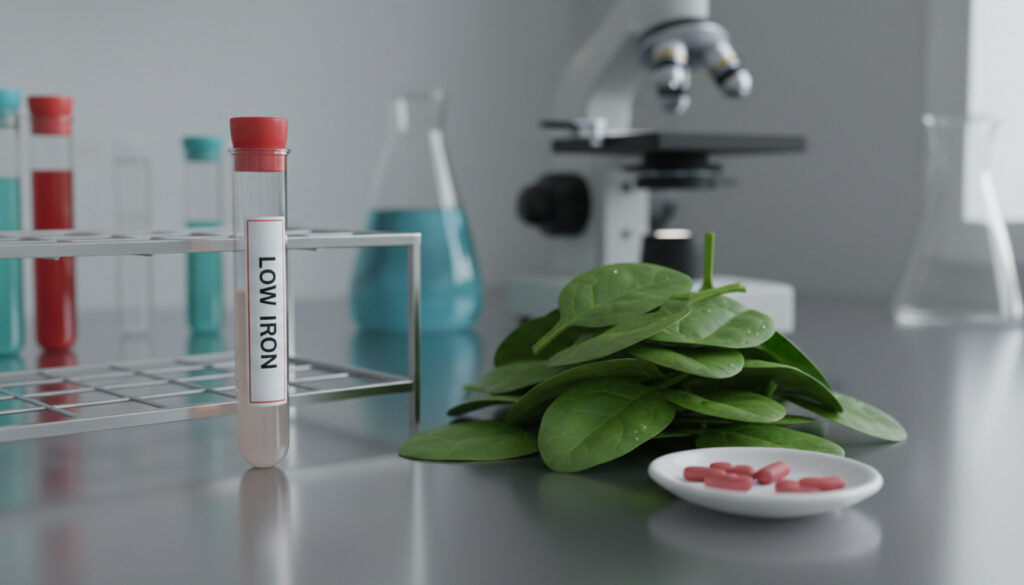
Symptoms of Low Iron – Early Signs and When to Act
Fatigue that doesn’t lift with rest, pale skin that loses its healthy color, and strange cravings for ice cubes often signal the body’s iron reserves are running low. Iron deficiency ranks among the most common nutritional deficiencies globally, affecting roughly one-quarter of the world’s population. While the condition frequently precedes iron-deficiency anemia, it can produce significant physical symptoms even before hemoglobin levels drop below diagnostic thresholds.
The manifestations range from barely noticeable energy dips to severe cardiovascular strain as the condition advances. Women of reproductive age face the highest risk due to menstrual blood loss, though men and children experience distinct symptom profiles and underlying causes. Recognizing these warning signs early prevents progression to more serious complications, including heart problems and developmental delays in children.
Medical professionals emphasize that symptoms often develop gradually over weeks or months, making them easy to attribute to stress or aging. Blood tests measuring ferritin and hemoglobin provide definitive diagnosis, distinguishing true deficiency from other conditions with overlapping presentations such as thyroid disorders or chronic fatigue syndrome.
What Are the Common Symptoms of Low Iron?
| Symptom | Description | Common In | Severity |
|---|---|---|---|
| Fatigue | Persistent tiredness unrelieved by sleep | All | Early |
| Pale skin | Loss of normal color (pallor) | Women | Early |
| Shortness of breath | Difficulty breathing on exertion | All | Moderate |
| Brittle nails | Spoon-shaped (koilonychia) | All | Advanced |
- Low iron affects 25% of people worldwide, with women of childbearing age bearing the greatest burden
- Fatigue and weakness typically appear first as oxygen transport becomes compromised
- Symptoms frequently mimic thyroid dysfunction or depression, delaying proper diagnosis
- Blood tests confirming ferritin below 30 mcg/dL and hemoglobin levels establish deficiency
- Restless legs syndrome and pica (ice cravings) represent less recognized but specific indicators
- Without intervention, early signs progress to severe anemia over several months
- Children may exhibit irritability and growth delays rather than classic adult symptoms
| Fact | Details |
|---|---|
| Normal ferritin (women) | 60-160 mcg/dL |
| Normal ferritin (men) | 80-180 mcg/dL |
| Deficient ferritin | <30 mcg/dL |
| Severe deficiency | <15 ng/mL |
| Daily iron need (women) | 18 mg |
| Daily iron need (men) | 8 mg |
| Anemia threshold (women) | Hemoglobin <12 g/dL |
| Anemia threshold (men) | Hemoglobin <13 g/dL |
Symptoms of Low Iron in Women vs. Men
Women and Menstrual Blood Loss
Women experience disproportionate rates of iron deficiency due to menstrual blood loss, with heavy periods significantly depleting iron stores. Yale Medicine notes that reproductive-age women carry the highest burden of iron-deficiency anemia, often presenting with pallor, hair loss, and persistent exhaustion. The normal ferritin range for women sits at 60-160 mcg/dL, though many function poorly at levels below 30.
Men and Gastrointestinal Causes
Men face lower baseline risk, with normal ferritin ranging from 80-180 mcg/dL. When deficiency occurs in males, clinicians typically investigate gastrointestinal bleeding from ulcers, celiac disease, or inflammatory conditions rather than dietary insufficiency alone. Cleveland Clinic indicates that iron deficiency in men without obvious blood loss warrants investigation for occult GI pathology.
Women generally require careful monitoring during reproductive years, while men with levels below 80 mcg/dL should prompt screening for internal bleeding, particularly from the digestive tract.
How Do You Know If You Have Low Iron?
Laboratory Markers
Diagnosis relies on blood panels measuring ferritin, the protein storing iron, alongside hemoglobin and transferrin saturation. Ferritin below 30 mcg/dL indicates depleted stores, while hemoglobin below 12 g/dL in women or 13 g/dL in men confirms anemia has developed. Mayo Clinic explains that early deficiency may show normal hemoglobin despite low ferritin, producing symptoms before full anemia manifests.
Physical Manifestations
Observable signs include spoon-shaped nails (koilonychia), cracking at mouth corners, and a sore, inflamed tongue. Healthline documents pica, particularly cravings for ice or starch, as a distinctive neurological symptom of advanced deficiency. Some patients report restless legs syndrome or unusual irritability before other physical changes become apparent.
When to See a Doctor for Low Iron Symptoms
Persistent fatigue unrelieved by sleep, shortness of breath during routine activities, or unexplained cravings for non-food items like ice warrant medical evaluation. Cleveland Clinic advises pregnant individuals and those with heavy menstrual bleeding to seek testing promptly. Walgreens health blog reports that iron deficiency affects 15-25% of pregnancies, carrying risks of premature birth and low birth weight.
Chest pain, rapid irregular heartbeat, or severe shortness of breath may indicate advanced anemia straining the cardiovascular system. These symptoms require emergency evaluation to prevent heart failure.
Parents should watch for pale skin, rapid heartbeat, and behavioral changes including pica. Children with ferritin between 50-120 mcg/dL may still show cognitive impacts from suboptimal iron levels.
How Does Iron Deficiency Progress?
- Stage 1: Depleted Iron Stores – Ferritin drops below 30 mcg/dL while hemoglobin remains normal; subtle fatigue may appear but often goes unnoticed.
- Stage 2: Iron-Deficient Erythropoiesis – Transport proteins diminish; pallor, headaches, and worsening fatigue become noticeable during physical exertion.
- Stage 3: Iron-Deficiency Anemia – Hemoglobin falls below diagnostic thresholds; shortness of breath, tachycardia, pica, and brittle nails develop as oxygen delivery fails.
GoodRx notes that early symptoms may mimic other conditions, progressing over weeks to months without intervention. Timeline varies based on bleeding severity, dietary intake, and absorption capacity.
Low Iron vs. Anemia: What Is the Difference?
| Established Facts | Uncertainties and Variations |
|---|---|
| Iron deficiency precedes anemia; low ferritin can cause symptoms before hemoglobin drops | Exact progression timeline varies significantly between individuals |
| Diagnosed by ferritin <30 mcg/dL and hemoglobin thresholds (<12 women, <13 men) | Specific ferritin levels causing symptoms differ; some patients feel fatigue at 50 while others function at 20 |
| Caused by blood loss, poor absorption, or increased demand | Whether hair loss directly results from deficiency or anemia remains unclear; both associated but causality debated |
| Treatment restores levels in 1-3 months monitoring, full recovery by 6 months | Why pica (ice craving) specifically occurs neurologically is not fully understood |
| Heme iron (meat) absorbs 2-3x better than non-heme (plants) | Individual absorption rates vary widely based on gut health and genetics |
What Causes Low Iron Levels?
Blood loss represents the primary driver, whether through heavy menstrual periods, gastrointestinal ulcers, or frequent blood donation. Gastrointestinal bleeding from conditions like Crohn’s disease or celiac disease silently depletes reserves, particularly in men and postmenopausal women.
Poor diet contributes through insufficient heme iron intake, particularly affecting vegetarians and vegans who consume only non-heme sources. Malabsorption following weight-loss surgery or in celiac disease prevents iron uptake despite adequate consumption. Pregnancy creates heightened demand as blood volume doubles, requiring approximately twice the normal iron intake to support fetal development and maternal health.
What Do Medical Authorities Say?
“Iron deficiency is the most common nutritional disorder globally.”
WHO
“Fatigue is often the first sign patients notice, occurring even before anemia develops.”
Mayo Clinic
Key Takeaways on Low Iron Symptoms
Iron deficiency manifests through progressive fatigue, pallor, and specific markers like pica or restless legs, with women facing elevated risk due to menstrual losses. Diagnostic confirmation requires ferritin and hemoglobin testing rather than symptom assessment alone. While dietary modification and supplementation effectively restore levels over six months, persistent symptoms despite treatment demand investigation for occult bleeding sources.
Frequently Asked Questions
Can low iron cause hair loss?
Yes. Brittle nails and hair loss commonly accompany iron deficiency, particularly in women, though the exact mechanism distinguishing deficiency from full anemia remains unclear.
What foods help with low iron?
Heme sources like red meat, poultry, and fish absorb most efficiently. Non-heme options including beans, spinach, and fortified cereals require vitamin C pairing for optimal absorption.
Why do I crave ice if I have low iron?
Pica, specifically pagophagia (ice craving), represents a neurological symptom of advanced deficiency. The exact physiological trigger remains uncertain but resolves with treatment.
Can low iron cause headaches?
Yes. Dizziness, lightheadedness, and headaches frequently occur as oxygen transport diminishes, particularly during stage 2 and 3 deficiency.
Is restless legs syndrome a sign of low iron?
Yes. Restless legs syndrome correlates strongly with low ferritin levels, often improving once iron stores replenish.
How long does it take to recover from low iron?
Hemoglobin typically improves within 1-3 months of supplementation, while full ferritin restoration and symptom resolution require up to 6 months of consistent treatment.
Can men have low iron?
Yes, though less common. Men with deficiency usually require evaluation for gastrointestinal bleeding rather than dietary causes alone.
More related posts
 Watch How to Lose a Guy in 10 Days: Streaming Guide
 Who Won the Heisman 2025? Mendoza Wins Heisman Trophy
 NFL Games on TV Today – No Games, Upcoming Schedule
 Sunrise on the Reaping Cast: Who’s In (and Out) of the Prequel
 How Old Is Messi? Age 38, Birthday & Career Timeline
 James Carville’s Democracy Reform Proposals Explained
 Margot Robbie Wolf of Wall Street: Age, Scenes, Facts
 The Hunger Games: Catching Fire – Plot, Watch Order, FAQ