Florida Minimum Wage 2025: $14 Per Hour & Livable Wage Analysis
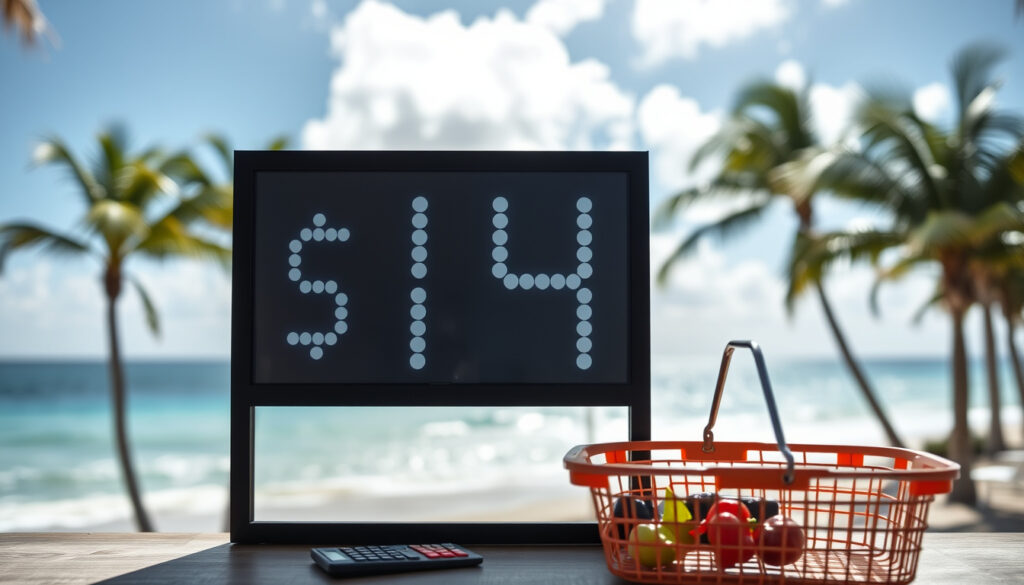
Florida’s minimum wage is set to jump to $14 an hour on September 30, 2025 — the latest step in a constitutional climb toward $15 by 2026. For the state’s lowest-paid workers, that extra dollar could help with groceries or gas, but whether it qualifies as a livable wage depends on where you live and what you pay for rent.
2025 minimum wage (after Sept 30): $14.00 per hour ·
Tipped employee minimum wage (2025): $10.98 per hour ·
2026 planned minimum wage: $15.00 per hour ·
Current minimum wage (before Sept 30, 2025): $13.00 per hour ·
Effective date of 2025 increase: September 30, 2025
Quick snapshot
- 2025 minimum wage: $14.00 per hour effective Sept 30, 2025 (Lowndes, Florida labor law firm)
- Tipped workers: $10.98 per hour (Lowndes, Florida labor law firm)
- Exact livable wage varies by county and household size (MIT Living Wage Calculator, academic research)
- Future increases beyond 2026 depend on potential legislative changes (MIT Living Wage Calculator, academic research)
- 2026 minimum wage: $15.00 per hour effective Sept 30, 2026 (FOX 35 Orlando, local news)
- Florida’s $14.00 per hour places it among the top 10 highest state minimum wages (Florida Policy Institute, state policy research)
| Label | Value |
|---|---|
| Current minimum wage (pre-Sept 2025) | $13.00 per hour |
| New minimum wage (Sept 30, 2025) | $14.00 per hour |
| Tipped minimum wage (2025) | $10.98 per hour |
| Planned minimum wage (2026) | $15.00 per hour |
| Effective date of next increase | September 30, 2026 |
Is Florida’s minimum wage $15?
No, not yet. Florida’s minimum wage in 2025 is $14.00 per hour, not $15. The $15 rate is scheduled to take effect on September 30, 2026, as part of the constitutional amendment approved by voters in 2020 (Jackson Lewis, national employment law firm). For tipped employees, the 2025 minimum cash wage is $10.98 per hour (Lowndes, Florida labor law firm), rising to an estimated $11.98 in 2026 (Jackson Lewis, national employment law firm).
The progression from 2021 to 2026 shows a clear step-up schedule:
| Year | Non-tipped rate | Tipped rate |
|---|---|---|
| 2024 (through Sept 29, 2025) | $13.00 | $9.98 |
| 2025 (from Sept 30) | $14.00 | $10.98 |
| 2026 (from Sept 30) | $15.00 | $11.98 |
The pattern: The wage floor is rising, but the $14 rate still trails behind the cost of living in most metro areas.
For a full-time worker earning $14 an hour, the annual take-home pay is about $29,120 before taxes — below the federal poverty line for a family of two. Even with Florida’s no-income-tax advantage, that leaves little room for housing, healthcare, or savings.
What is a livable wage in Florida?
According to the MIT Living Wage Calculator, academic research, a single adult in Florida needs about $15.60 per hour to cover basic expenses without public assistance. That’s already above the 2025 minimum wage of $14. So even with the increase, a full-time worker earning minimum wage falls short of a livable wage by roughly $1.60 an hour.
Can you live on $2,000 a month in Florida?
A $2,000 monthly income is below the federal poverty guideline for a single person and is generally insufficient for housing and basic needs in most Florida cities. The SoFi, personal finance platform notes that a livable salary for a single adult in Florida is estimated at around $46,000 before taxes, which equates to roughly $3,833 per month.
Can you live on $3,000 a month in Florida?
A $3,000 monthly income translates to about $18.00 per hour for a full-time worker (40 hours/week, 52 weeks). This level may allow modest living in lower-cost areas like parts of the Panhandle or central Florida, but it remains tight in expensive metros like Miami or Orlando. World Population Review, data aggregator estimates a Florida living wage of $19.91 per hour for an individual in 2026, suggesting even $18 an hour may be below a comfortable threshold.
A single worker earning the 2025 minimum wage of $14 an hour will take home roughly $2,427 per month before taxes — well below the $3,000 threshold considered minimal for many Florida cities. The gap is even wider for tipped workers earning $10.98.
The trade-off: Florida’s low state taxes help stretch a paycheck, but housing costs in fast-growing metro areas have outpaced wage growth. Even at $18 an hour, affording a one-bedroom apartment in Miami requires spending more than 30% of income on rent.
Is $17 an hour good in Florida?
At $17 per hour, a full-time worker earns about $35,360 annually before taxes. That’s above Florida’s 2025 minimum wage of $14 and the 2026 planned $15, but still below the livable wage estimate for a single adult in many counties (MIT Living Wage Calculator, academic research). In cities like Miami or Orlando, $17 an hour often requires roommates or a second job to cover rent and expenses (SoFi, personal finance platform).
Is $20 an hour good in Florida?
$20 per hour yields about $41,600 annually before taxes — still below the SoFi livable salary estimate of ~$46,000 for a single adult. However, it approaches the MIT living wage for a single adult and offers more flexibility, especially in lower-cost areas. With no state income tax, Florida workers keep more of that paycheck compared to states like California or New York (Jackson Lewis, national employment law firm).
Even at $20 an hour, a worker in Miami-Dade County would spend about 35% of income on median rent, exceeding the recommended 30% housing cost ratio. Earning $17 or $20 is a step up from minimum wage, but it doesn’t automatically mean financial comfort.
What this means: For workers earning $17–$20 an hour in Florida, location is everything. In Tampa or Jacksonville, that salary may stretch further than in Miami or Fort Lauderdale.
How much is $30 an hour in Florida?
$30 per hour translates to an annual salary of about $62,400 before taxes (40-hour week, 52 weeks). That is significantly above Florida’s median household income of roughly $59,000 and allows for comfortable living even in higher-cost areas like Miami (SoFi, personal finance platform). With Florida’s lack of state income tax, the take-home pay is substantially higher than in states with income tax.
A $30/hour Florida earner nets roughly $4,000 more annually than a worker earning the same wage in California, after factoring in state income tax savings. That buying power can make a significant difference in quality of life.
The implication: $30 an hour offers genuine financial security in Florida — it’s more than twice the 2025 minimum wage and well above the estimated livable wage for a single adult.
What 10 states have the highest minimum wage?
Florida’s $14.00 per hour minimum wage places it among the top 10 highest in the nation, according to the Florida Policy Institute, state policy research. States such as Washington, California, and Massachusetts have minimum wages above $15 per hour, making Florida’s rate competitive but not the highest. The gap between Florida’s $14 and the top tier is expected to narrow when the state reaches $15 in 2026.
The table below shows how Florida’s minimum wage stacks up against key benchmarks:
| Wage benchmark | Hourly rate | Source |
|---|---|---|
| Florida minimum wage (2025) | $14.00 | Lowndes, Florida labor law firm |
| Florida minimum wage (2026) | $15.00 | FOX 35 Orlando, local news |
| Living wage (single adult, FL) | $15.60 | MIT Living Wage Calculator, academic research |
| Livable salary (single adult, FL) | $46,000/yr (~$22.12/hr) | SoFi, personal finance platform |
Florida’s $14 wage is competitive nationally but still lags behind the cost of living. Workers here benefit from no state income tax, but housing and insurance costs eat away at any advantage.
Upsides
- Provides a direct income boost to roughly 2.5 million low-wage workers in Florida (Florida Policy Institute, state policy research)
- Reduces reliance on public assistance programs (Lowndes, Florida labor law firm)
- Phased increases give businesses time to adjust (Jackson Lewis, national employment law firm)
Downsides
- Higher labor costs may force small businesses to reduce hours or staff (FOX 35 Orlando, local news)
- Still below the estimated livable wage for a single adult in most Florida cities (MIT Living Wage Calculator, academic research)
- Inflation and rising housing costs may erode the real value of the increase (SoFi, personal finance platform)
Timeline of Florida’s minimum wage increases
Florida’s minimum wage has increased by $1 each year since 2021, following the constitutional amendment approved by voters. The schedule continues through 2026.
- — Minimum wage raised to $10.00 per hour
- — Minimum wage raised to $11.00 per hour
- — Minimum wage raised to $12.00 per hour
- — Minimum wage raised to $13.00 per hour
- — Minimum wage raised to $14.00 per hour
- — Minimum wage raised to $15.00 per hour (planned)
Sources: Lowndes, Florida labor law firm, FOX 35 Orlando, local news, Florida Senate, official legislative analysis
Confirmed facts
- 2025 minimum wage is $14.00 per hour effective September 30, 2025 (Lowndes, Florida labor law firm)
- 2026 minimum wage will be $15.00 per hour (Amendment 2 mandate) (FOX 35 Orlando, local news)
- Tipped minimum wage 2025: $10.98 per hour (Lowndes, Florida labor law firm)
What’s unclear
- Exact livable wage varies by county and household size (MIT Living Wage Calculator, academic research)
- Future minimum wage increases beyond 2026 depend on potential legislative changes or new amendments
“Florida’s minimum wage increases to $14.00 per hour at month-end.” — Lowndes, Florida labor law firm
Lowndes, Florida labor law firm
“Florida voters approved a $15 minimum wage, phased in over multiple years.” — Jackson Lewis, national employment law firm
Jackson Lewis, national employment law firm
For Florida’s working families, the takeaway is clear: the minimum wage is rising, but it’s not keeping pace with the cost of living. A single adult earning $14 an hour in Miami will still struggle to afford a one-bedroom apartment, while a family relying on $14 may be forced to choose between rent, food, and healthcare. The 2026 step to $15 will help, but unless housing costs stabilize or wages rise faster, many workers will remain a paycheck away from financial security.
To understand the 2025 increase, it helps to look back at Floridas minimum wage history and how the rate has climbed from $12 to $13 per hour.
Frequently asked questions
Does Florida have a separate minimum wage for tipped workers?
Yes. For 2025, the tipped minimum wage is $10.98 per hour, up from $9.98. Employers must ensure that tips bring the worker’s total hourly earnings to at least the standard minimum wage (Lowndes, Florida labor law firm).
How often is Florida’s minimum wage adjusted?
Currently, the wage increases by $1 each year on September 30, as mandated by Amendment 2, until it reaches $15 per hour in 2026. After that, future adjustments will depend on legislative action or a new ballot initiative (Florida Senate, official legislative analysis).
Who is exempt from Florida’s minimum wage laws?
Certain workers are exempt, including tipped employees (subject to tip credit rules), some seasonal workers, and employees of small businesses with gross annual sales under the threshold set by state law. Federal exemptions also apply in specific cases.
What is the penalty for employers not paying minimum wage in Florida?
Employers who violate the minimum wage law may be liable for back wages, damages, and attorney fees. The Florida Department of Economic Opportunity investigates complaints and can impose penalties (Florida Policy Institute, state policy research).
Does Florida minimum wage apply to all employers?
Yes, with few exceptions. The law applies to every employer in the state, regardless of size, except those specifically exempt under the Fair Labor Standards Act or state regulations.
How does Florida’s minimum wage compare to the federal minimum wage?
Florida’s 2025 minimum wage of $14.00 per hour is nearly double the federal minimum wage of $7.25, which has not changed since 2009. Florida is one of 30 states with a minimum wage above the federal level.
Will Florida’s minimum wage keep rising after 2026?
Not automatically. The current amendment only guarantees increases through 2026. After that, any further increases would require a new state law or another voter-approved amendment. Some advocacy groups are already discussing ballot measures for future rises.
More related posts
 Navy Federal Routing Number 256074974: ACH & Wire Guide
 AT&T Customer Service Number 24/7: Official Support Lines
 Call Me If You Get Lost: Album & Phone Number Guide
 Scary Movies to Watch: Top Horror Films Ranked
 $697 Social Security Checks: April 2025 Schedule & COLA
 Kansas City Chiefs vs Denver Broncos: 2026 Prediction & Rivalry
 A Man Called Otto: True Story, Bad Reviews, Worth Watching
 Boxing Gyms Near Me in Dublin: Top Picks & Starter Guide