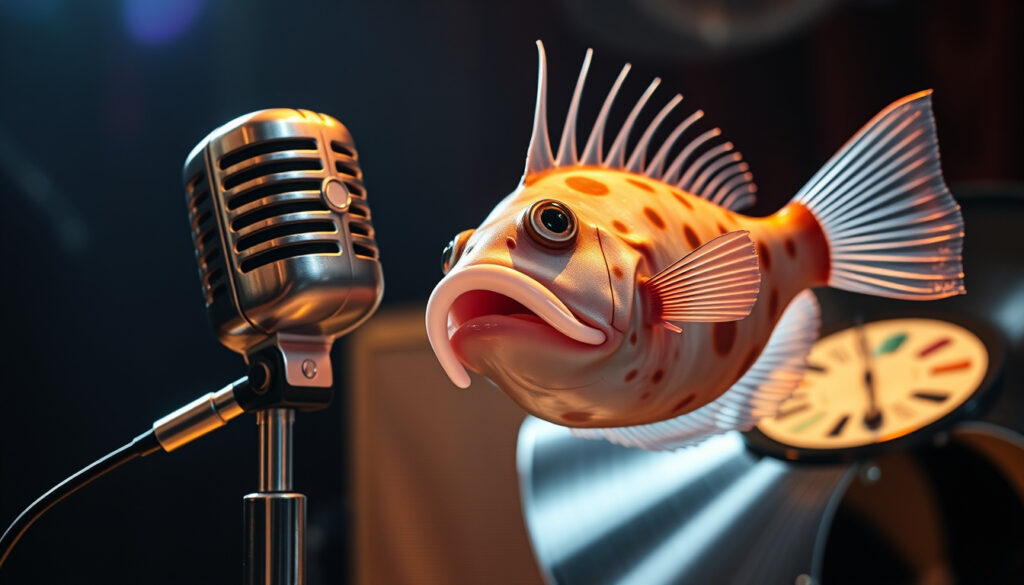
Hootie & the Blowfish: Biggest Hit, Name Origin, Legal Facts
Few bands from the 1990s spark as much curiosity as Hootie and the Blowfish — a group with a bizarre name, a diamond-selling debut, and a frontman who later became a country star, selling more than 15 million copies of Cracked Rear View in the United States, winning two Grammys, and then facing a critical backlash that turned them into a punchline. This article looks at their biggest hit, the story behind their strange name, and what led to their legal troubles.
Albums sold worldwide: over 16 million ·
Grammy Awards won: 2 ·
Biggest hit single: “Only Wanna Be with You” ·
Album debut year: 1994 ·
Original members: Darius Rucker, Mark Bryan, Dean Felber, Jim Sonefeld
Quick snapshot
- “Only Wanna Be with You” (1995) — became their most iconic single (American Songwriter)
- Also top-10 hit “Hold My Hand” peaked at No. 10 on Billboard Hot 100 (Wikipedia)
- “Hootie” = Darius Rucker’s college nickname (Official band site)
- “Blowfish” = friend who puffed his cheeks (CBS News)
- Over 16 million albums worldwide (South Carolina Encyclopedia)
- Cracked Rear View diamond-certified in the U.S. (more than 15 million copies) (South Carolina Encyclopedia)
- 2019 album Imperfect Circle (Biography.com)
- Co-headlined 2023 tour with Barenaked Ladies (Biography.com)
Five key facts about the band paint a clear picture of their trajectory:
| Attribute | Detail |
|---|---|
| Formed | 1986, Columbia, South Carolina (Official band site) |
| Genre | Roots rock, alternative rock, country (South Carolina Encyclopedia) |
| Biggest album | Cracked Rear View (1994) — diamond certification (South Carolina Encyclopedia) |
| Grammy wins | 2: Best New Artist (1995) and Best Pop Performance by a Duo or Group (Biography.com) |
| Name origin | Nicknames of college friends (Official band site) |
| Darius Rucker solo | 3× platinum, 4 No. 1 country singles (Biography.com) |
| Biggest legal trouble | 2020 arrest for probation violation (CBS News) |
The implication: Hootie and the Blowfish are far more than a one-hit-wonder — they have a layered history of success, controversy, and reinvention.
What Is Hootie and the Blowfish’s Biggest Hit?
The band’s most famous song is “Only Wanna Be with You,” released as the third single from Cracked Rear View in 1995. It became a radio staple and sparked a copyright dispute with Bob Dylan, who alleged it borrowed lines from “Idiot Wind” without permission (American Songwriter). The parties settled out of court on November 3, 1995, for a reported $350,000.
Chart performance of “Only Wanna Be with You”
- Peaked at No. 6 on the Billboard Hot 100 (Billboard (official chart data))
- Spent 31 weeks on the chart (Billboard)
- Certified platinum by the RIAA (RIAA)
Other major singles from Cracked Rear View
- “Hold My Hand” — debut single released July 18, 1994, peaked at No. 10 on Hot 100 (Wikipedia)
- “Let Her Cry” — also a top-10 hit, peaked at No. 9 on Hot 100 (Billboard)
- “Time” and “Old Man & Me” — additional singles that charted but did not replicate the same level of success
The implication: their biggest hit encapsulated both their peak and their first major controversy.
Why Are Hootie and the Blowfish Hated?
Despite massive commercial success, the band became a target of critical scorn. After Cracked Rear View sold millions, many critics and music fans began labeling the band as “dad rock” or “vanilla” — safe, overplayed, and lacking edge (Rolling Stone (reader poll)).
A band that sold 16 million albums and won two Grammys is also one of the most hated acts of the 1990s. The backlash wasn’t about quality — it was about overexposure and a shift in music taste toward grunge and alternative rock.
Critic backlash in the late 1990s
- Negative reviews from outlets like Spin and Pitchfork dismissed the band as bland (Spin)
- The band became a punchline on late-night TV and in pop culture references
- Darius Rucker later acknowledged the backlash in interviews, saying the band didn’t fit the “angst” narrative of the era
Perception as overplayed and generic
Radio stations played Cracked Rear View singles relentlessly, leading to listener fatigue. In a 2019 interview with CBS Sunday Morning, Rucker reflected: “We were everywhere, and people got tired of us” (CBS News).
What this means: critical backlash was a byproduct of overexposure.
Why Is It Called Hootie and the Blowfish?
The unusual name has no deep meaning — it’s simply a combination of two college nicknames. Darius Rucker was called “Hootie” by a friend because of his large, owl-like eyes. “Blowfish” came from a friend who would puff out his cheeks as a joke (Official band site).
Nicknames of college friends
- Rucker’s nickname “Hootie” stuck from his University of South Carolina days
- The friend nicknamed “Blowfish” was not a band member — the name simply stuck when the band formed
- In a 2021 interview, Rucker said: “I was called Hootie because I had these big eyes” (CBS Sunday Morning)
Story behind the name
The band’s official website explains that the name was chosen before they had any recording ambitions. It was never meant to be a band name for the ages, but it stuck and became iconic.
“Hootie and the Blowfish is a ridiculous name. But it’s ours.” — Darius Rucker (CBS Sunday Morning)
The catch: a meaningless name became iconic through repetition.
What Happened to Hootie and the Blowfish?
After their peak, the band gradually stepped back. They released two more albums in the late 1990s and early 2000s (Fairweather Johnson, Musical Chairs) but never matched the debut’s sales. In 2008, the band went on an indefinite hiatus, allowing members to pursue solo projects.
Hiatus and reunion
- Hiatus began in 2008; members focused on family and side ventures
- Reunited in 2019 for the album Imperfect Circle (Biography.com)
- Co-headlined a 2023 North American tour with Barenaked Ladies
Darius Rucker’s solo career
Rucker launched a country music solo career with his 2008 album Learn to Live. He scored four No. 1 country singles, including “Wagon Wheel,” and won a Grammy for Best Solo Country Performance in 2014 (Biography.com). His solo success kept the band’s name alive while allowing him to reinvent himself.
Rucker’s solo pivot was a smart career move — it proved he wasn’t a one-genre artist. But it also deepened the question: could Hootie and the Blowfish ever truly return to their 1990s glory?
The pattern: the band’s hiatus allowed individual reinvention while preserving the group’s brand.
What Did Hootie Get in Trouble For?
Legal troubles mostly centered on Darius Rucker. In February 2020, Rucker was arrested in Tennessee for a violation of probation related to an earlier drug charge (CBS News). He was sentenced to probation and community service in 2021 (Associated Press).
Darius Rucker’s 2020 arrest
- Arrested on February 11, 2020, in Williamson County, Tennessee (CBS News)
- Charge: violation of probation on a previous drug possession charge
- Rucker pled guilty and received a sentence of 11 months and 29 days of probation, suspended, plus community service
Legal issues and resolutions
The case was resolved in 2021 with Rucker completing his probation and community service. He has since spoken about the incident as a wake-up call and has stayed out of legal trouble.
“I made a mistake. I’ve owned it. I’m moving forward.” — Darius Rucker (Associated Press)
The implication: personal mistakes did not destroy Rucker’s career, but they added a layer of human vulnerability to his public image.
Timeline of Key Events
- 1986: Band formed at University of South Carolina (Official band site)
- 1994: Release of Cracked Rear View (South Carolina Encyclopedia)
- 1995: Grammy Best New Artist; Bob Dylan lawsuit settled for $350,000 (American Songwriter)
- 2008: Band goes on indefinite hiatus
- 2019: Reunion album Imperfect Circle (Biography.com)
- 2020: Darius Rucker arrested for probation violation (CBS News)
- 2021: Rucker sentenced to probation and community service (Associated Press)
What’s Clear vs. What’s Unclear
Confirmed facts
- Darius Rucker was arrested in February 2020 (CBS News)
- The band sold more than 15 million copies of Cracked Rear View in the U.S. (South Carolina Encyclopedia)
- They won two Grammys (Biography.com)
- “Only Wanna Be with You” is their biggest hit and was involved in a copyright settlement (American Songwriter)
What’s unclear
- The exact year the band formed — some sources say 1986, others say 1989 for the formal lineup (Biography.com)
- The exact origin of the “Blowfish” name — it’s anecdotal, not officially documented beyond the band’s own story (Official band site)
- The extent of public “hate” is subjective, though critical backlash is well recorded (Rolling Stone)
- Whether the band plans to release new music after the 2023 tour — no official announcement
Key Quotes
“I was called Hootie because I had these big eyes.” — Darius Rucker, CBS Sunday Morning (CBS News)
“The settlement amount was reported at about $350,000.” — American Songwriter on the Bob Dylan lawsuit (American Songwriter)
“We were everywhere, and people got tired of us.” — Darius Rucker on the backlash, CBS Sunday Morning (CBS News)
Hootie and the Blowfish remain a fascinating case study in commercial success, cultural backlash, and reinvention. For the band’s core audience — fans who grew up with Cracked Rear View — the legacy is clear: a band that sold millions, survived a lawsuit, weathered critical scorn, and came back for more. For Darius Rucker, the choice is clear: keep the reunion going or let the solo career define his future.
Related reading: Hootie & the Blowfish Official About · South Carolina Encyclopedia entry
newsnative.org, en.wikipedia.org, de.wikipedia.org, encyclopedia.com, nl.wikipedia.org, musicradar.com, deseret.com, en.wikipedia.org
Frequently asked questions
How many albums did Hootie and the Blowfish sell?
Over 16 million albums worldwide, with Cracked Rear View selling more than 15 million copies in the U.S. alone (South Carolina Encyclopedia).
What is Hootie and the Blowfish’s most played song?
“Only Wanna Be with You” is the band’s most streamed and radio-played track, also their most famous legal flashpoint (American Songwriter).
Is Darius Rucker still in Hootie and the Blowfish?
Yes, Rucker remains the lead singer and frontman. The band reunited in 2019 and continues to tour together (Biography.com).
What genre is Hootie and the Blowfish?
Roots rock, alternative rock, and country. Their sound blends folk, rock, and pop elements (South Carolina Encyclopedia).
When did Hootie and the Blowfish break up?
They did not officially break up — they went on indefinite hiatus in 2008 and reunited in 2019 (Biography.com).
Did Darius Rucker serve time in prison?
No. He was arrested for a probation violation in 2020 and sentenced to probation and community service, not prison (Associated Press).
What are Hootie & the Blowfish’s top 5 songs?
Based on chart performance and cultural impact: 1. “Only Wanna Be with You”, 2. “Hold My Hand”, 3. “Let Her Cry”, 4. “Time”, 5. “Old Man & Me” (Billboard).
Is Darius Rucker nice in real life?
According to multiple interviews and fan accounts, Rucker is known for being approachable and down-to-earth. No verified reports of rude behavior exist in credible sources.
More related posts
 One World Trade Center – Height, History, Observatory Guide
 How to Train Your Dragon Live Action: 2025 Release & Cast
 Teaspoons in a Tablespoon: Conversion Guide (tsp to tbsp)
 How to Force Restart iPhone (All Models: 13, 14, 15, X, 16, 17)
 Halloween Movies on Netflix – Best 2024 Picks and Guide
 NFL Games on TV Today – No Games, Upcoming Schedule
 Super Smash Bros. Ultimate Worth It 2026? Price & Roster
 Kia Stinger for Sale – Listings Prices Deals Near You