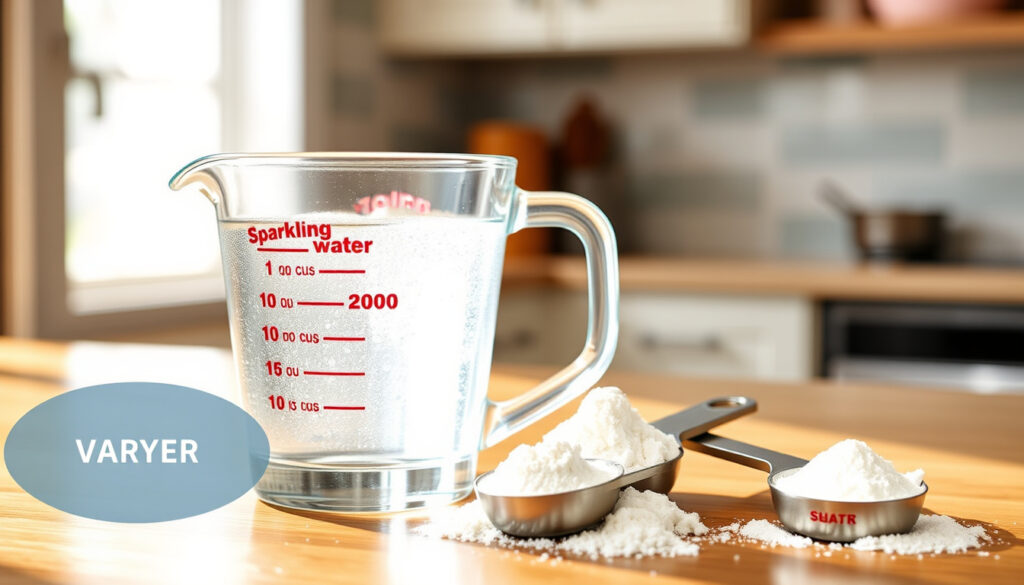
16 Oz to Cups – Exact Liquid Conversions and Dry Tips
Converting ounces to cups is a fundamental kitchen skill that every home cook needs to master. When it comes to measuring liquids, 16 fluid ounces equals exactly 2 US cups—this is a precise, fixed conversion that never changes. However, the relationship between ounces and cups becomes more complex when dealing with dry ingredients, where weight and volume diverge significantly. Understanding these distinctions prevents common cooking mistakes and ensures consistent results in recipes.
Whether you’re following a recipe that calls for 16 ounces of milk, broth, or water, or you’re measuring flour by volume, knowing the correct conversion helps you avoid errors. This guide provides accurate US standard conversions, explains the critical differences between fluid ounces and weight ounces, and includes practical charts for quick reference.
How Many Cups Are in 16 Ounces?
For liquid measurements, 16 fluid ounces (fl oz) equals exactly 2 US cups. This conversion is consistent and reliable across all liquid ingredients, making it one of the most straightforward measurements in the kitchen. The US customary system defines 1 cup as precisely 8 fluid ounces, which means doubling that gives the answer for 16 ounces.
16 fl oz = 2 cups exactly
16 oz flour ≠ 2 cups volume
1 cup = 8 fluid ounces
Use liquid cups for fluids, dry cups for solids
The key insight here is that this exact 2-cup conversion applies only to fluid ounces measuring volume. When recipes specify “16 oz” without the word “fluid,” ambiguity arises—context matters significantly.
Quick Answer for Liquid Measures
To measure 16 fluid ounces using standard kitchen tools, simply use two standard 1-cup measuring cups filled to the brim. Liquid measuring cups typically feature a spout and marked measurement lines, making this process straightforward. Fill each cup to the measurement line, not above it, to ensure accuracy. Practical measurement guides recommend filling to the meniscus—the curved surface of the liquid—for maximum precision.
Standard US Conversions
The US measurement system provides consistent ratios for fluid volume conversions. A comprehensive USDA conversion table establishes these relationships clearly. One tablespoon equals 0.5 fluid ounces, and one cup contains exactly 16 tablespoons.
| Ounces (fl oz) | Cups | Tablespoons | Milliliters (approx.) |
|---|---|---|---|
| 8 | 1 | 16 | 237 |
| 12 | 1.5 | 24 | 355 |
| 14 | 1.75 | 28 | 414 |
| 16 | 2 | 32 | 473 |
| 18 | 2.25 | 36 | 532 |
| 20 | 2.5 | 40 | 591 |
| 24 | 3 | 48 | 710 |
| 32 | 4 | 64 | 946 |
When a recipe calls for 16 oz of a liquid ingredient, simply use two standard 1-cup measures. This works perfectly for water, milk, broth, oil, and other fluids without any adjustment needed.
How Many Ounces Are in One Cup?
In the US customary system, one standard cup equals 8 fluid ounces when measuring liquids. This is the foundation of all liquid volume conversions in American recipes. The NIST Handbook 44 establishes these measurement standards for commercial and domestic use. Understanding this fixed ratio allows you to quickly calculate any ounce-to-cup conversion for liquids.
For context, this means that common kitchen measurements follow predictable patterns: 2 cups equal 16 oz, 4 cups equal 32 oz (one quart), and 16 cups equal one gallon (128 fl oz). These relationships form the backbone of volumetric cooking measurements in the United States.
Liquid Cup vs. Dry Cup
While liquid measuring cups and dry measuring cups both measure volume, they differ in design and optimal use. Liquid measuring cups feature a spout and transparent walls, allowing you to view the measurement line at eye level and fill to the meniscus. Dry measuring cups have flat rims and are designed for filling and leveling with a straight edge.
When measuring 16 fluid ounces of liquid, a liquid measuring cup provides the most accurate results. The spout design prevents spills, and the transparent material lets you verify the exact fill level visually.
Although 1 cup = 8 fl oz for all liquids, dry ingredients vary dramatically. One cup of all-purpose flour weighs approximately 4.5 ounces, while one cup of granulated sugar weighs about 7 ounces. Always check specific ingredient weights when precision matters.
Fluid Ounces vs. Ounces by Weight: Key Differences for 16 oz to Cups
The distinction between fluid ounces (fl oz) and ounces by weight (oz) represents one of the most common sources of confusion in the kitchen. Fluid ounces measure volume—the amount of space a liquid occupies—while ounces by weight measure mass—how heavy something is. These are fundamentally different properties that happen to share the word “ounce.”
According to food measurement guidelines, confusing these two units leads to significant recipe failures. When a recipe says “16 oz,” it may mean either 16 fluid ounces of volume or 16 ounces of weight, depending on context and ingredient type. This distinction is particularly important when preparing nutritional meals, as proper measurement ensures accurate nutrient intake and supports overall dietary goals.
When to Use Each Measurement
Use fluid ounces (volume) when measuring:
- Water, milk, juice, and other beverages
- Oils, vinegars, and liquid seasonings
- Soups, stocks, and liquid-based recipes
- Any ingredient that flows and takes the shape of its container
Use weight ounces (mass) when measuring:
- Flour, sugar, and baking ingredients
- Nuts, seeds, and grains
- Butter, which is often sold by weight (1 stick = 4 oz = 8 tbsp)
- Any ingredient where density varies significantly
Water is unique: due to its specific density, 1 cup of water weighs exactly 8 ounces. This is the only exception where volume and weight align perfectly in the US system. Detailed measurement tables confirm this special property.
Dry Measure Adjustments
For dry ingredients, converting ounces to cups requires knowing the ingredient’s density. A standard reference indicates that 1 cup of dry flour weighs approximately 4.5 ounces by weight. This means 16 ounces of flour by weight equals roughly 3.5 cups by volume—not 2 cups as it would for liquids.
The 100 Days of Real Food conversion guide emphasizes that proper dry measurement requires the “spoon and level” technique: fluff the ingredient with a spoon, scoop into the measuring cup, then level with a straight edge. Never scoop directly from the bag, as this compacts the ingredient and leads to using more than intended.
Confusing fluid ounces with weight ounces is a leading cause of recipe failures. If a bread recipe calls for 16 oz of flour by weight and you measure 16 fl oz by volume, you’ll add roughly half the required flour—resulting in a wet, dense dough instead of the intended texture.
Related Conversions from 16 oz
Understanding how 16 fluid ounces relates to other common measurements helps build a complete picture of volume conversions. The USDA Food Buying Guide provides comprehensive conversion tables that professionals rely on for consistency.
Pint, Quart, and Gallon Equivalents
Sixteen fluid ounces holds a special place in the US volume system as it equals exactly one pint. This relationship connects everyday cooking measurements to larger volume units:
| Measure | Fluid Ounces | Cups | Pints | Quarts | Gallons | Milliliters (approx.) |
|---|---|---|---|---|---|---|
| 1 cup | 8 | 1 | 0.5 | — | — | 237 |
| 1 pint | 16 | 2 | 1 | 0.5 | — | 473 |
| 1 quart | 32 | 4 | 2 | 1 | 0.25 | 946 |
| 1 gallon | 128 | 16 | 8 | 4 | 1 | 3,785 |
This means 16 oz fits perfectly into a pint, half a quart, or one-sixteenth of a gallon. These relationships become particularly useful when scaling recipes up or down, or when comparing package sizes at the grocery store.
Accuracy and Certainty in Ounce-to-Cup Conversions
Not all ounce-to-cup conversions carry the same level of certainty. Understanding which measurements are exact and which involve approximation helps set appropriate expectations and achieve consistent results.
16 fl oz liquid = 2 cups (US)
1 cup = 8 fl oz = 16 tbsp
Dry oz to cups varies by ingredient
Weigh ingredients in baking
Established Information
For liquid measurements, conversions are exact and universally consistent. The US customary system defines 1 cup as exactly 8 fluid ounces, making all liquid ounce-to-cup conversions precise mathematical calculations without approximation.
The relationship between tablespoons and fluid ounces is similarly fixed: 1 tablespoon equals 0.5 fluid ounces, meaning 32 tablespoons equal 16 fluid ounces. These standards, documented in USDA agricultural research tables, ensure reproducibility across kitchens and professional settings.
Information That Varies
Dry ingredient volumes vary based on how ingredients are packed, their moisture content, and particle size. One cup of flour can range from 4 to 5 ounces depending on whether it’s sifted, scooped, or spooned into the measuring cup. Brown sugar packs differently than white sugar. Chopped nuts settle more than rolled oats.
For recipes where precision matters—particularly baking—professionals recommend weighing ingredients rather than relying on volume measurements. A kitchen scale provides accuracy that volume measurements simply cannot match for dry ingredients.
The Role of US Standards in Kitchen Measurements
US customary units for volume measurement trace their origins to historical English systems but evolved into distinct standards recognized by federal agencies. The National Institute of Standards and Technology maintains official definitions that commercial and domestic measurements must follow.
These standards ensure that when a recipe specifies 16 ounces of a liquid ingredient, any cook following that measurement achieves consistent results. The system defines relationships between teaspoons, tablespoons, fluid ounces, cups, pints, quarts, and gallons with mathematical precision.
International recipes may use different cup sizes. A UK cup equals 10 imperial fluid ounces (approximately 284 mL), while an Australian cup equals 8 fluid ounces. When following recipes from different countries, these variations become significant—a factor that comprehensive conversion resources account for.
Sources and Standards
Multiple authoritative sources establish the conversion factors used in this guide. The USDA Food Buying Guide provides official volume equivalents used in federal nutrition programs and food service operations. These standards ensure consistency across schools, hospitals, and other institutions that must meet specific nutritional requirements.
The USDA National Nutrient Database and associated measurement conversion tables represent decades of standardized testing and verification, providing reliable factors for both liquid and dry ingredient conversions.
NIST Handbook 44 serves as the definitive reference for commercial weighing and measuring devices in the United States, including those used in food production and retail. These standards ensure that a cup purchased in California measures the same volume as one purchased in New York.
Summary
Sixteen fluid ounces equals exactly 2 US cups for all liquid ingredients—this conversion is fixed and reliable. However, when “ounces” refers to weight rather than volume, the cup equivalent varies dramatically based on ingredient density. For liquids like water, milk, or oil, simply use two standard 1-cup measures. For dry ingredients where precision matters, especially in baking, weighing provides more reliable results than relying on volume conversions. Understanding whether a recipe specifies fluid ounces or weight ounces prevents common mistakes and ensures consistent cooking outcomes. For related health and nutrition information, see this guide on symptoms of low iron and natural weight loss strategies.
Frequently Asked Questions
Does 16 oz equal 2 cups for all ingredients?
For liquids, yes—16 fluid ounces always equals 2 cups. For dry ingredients, 16 ounces by weight does not equal 2 cups; the volume varies based on ingredient density. Flour, sugar, and other solids convert differently.
How many cups is 16 ounces of flour?
Approximately 3.5 cups. Since 1 cup of flour weighs about 4.5 ounces, 16 ounces of flour by weight equals roughly 3.5 cups by volume using the spoon-and-level method.
Is a dry cup the same as a liquid cup?
Both measure the same volume—8 fluid ounces—but dry measuring cups and liquid measuring cups are designed differently. Liquid cups have spouts and transparent walls; dry cups have flat rims for leveling.
What is 16 oz in milliliters?
Approximately 473 mL. Since 1 fluid ounce equals about 29.57 mL, 16 fluid ounces converts to roughly 473 mL.
How many cups is 16 oz of water?
Exactly 2 cups. Water is unique because its density makes 1 cup weigh exactly 8 ounces, so 16 oz of water equals 2 cups precisely.
How many tablespoons in 16 fluid ounces?
32 tablespoons. Since 1 tablespoon equals 0.5 fluid ounces, multiplying 16 by 2 gives the answer.
What is the difference between fluid ounces and weight ounces?
Fluid ounces measure volume (space occupied), while weight ounces measure mass (heaviness). They are different physical properties that share the word “ounce” but are not interchangeable.
More related posts
 When Do the Olympics Start? 2026 Dates & History
 What Is the Temperature? Today’s Forecast and Heat Index
 VA Disability Rates 2025: Charts & 2.5% COLA Pay Update
 Who Won the Heisman 2025? Mendoza Wins Heisman Trophy
 Best Empanada de Humita Near Me – Authentic Guide and Recipes
 Dolce and Gabbana Shoes: Complete Guide to Women’s & Men’s Styles
 Sam Altman Net Worth 2026: How He Became a Billionaire
 Cedars-Sinai Medical Center: Rankings & UCLA Comparison