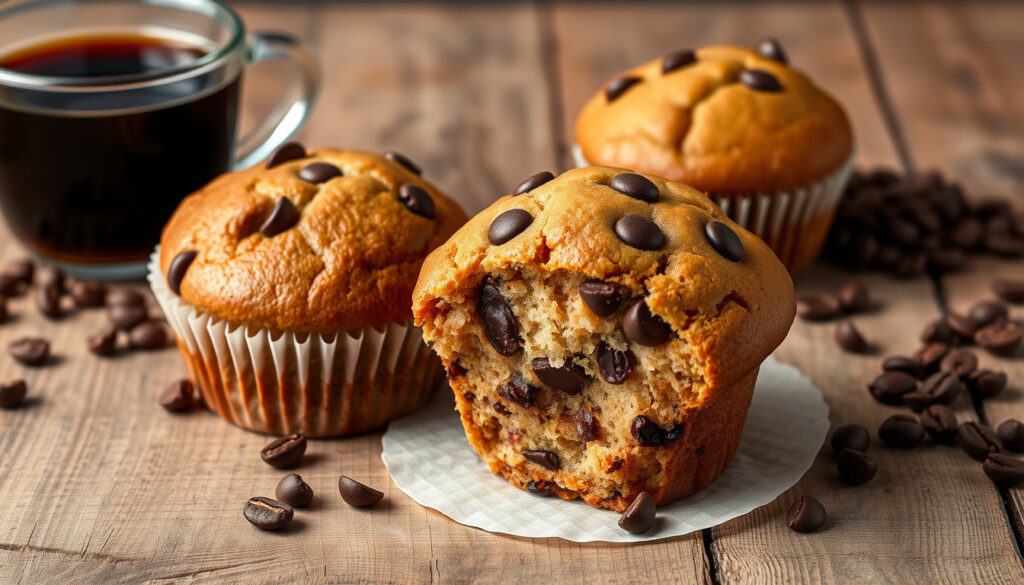
Chocolate Chip Muffin Recipe: Moist, Simple, & Double Chocolate
Few things beat the aroma of chocolate chip muffins fresh from the oven. But getting that perfect balance—moist, tender, with a golden dome—takes a bit of know‑how. Whether you’ve been following a family recipe or you’re curious about the science behind a bakery‑style crumb, this guide combines tested techniques from trusted bakers and food scientists to help you bake the best chocolate chip muffins every time.
Prep time: 15 min · Cook time: 20 min · Total: 35 min · Servings: 12 muffins · Calories: ~350 per muffin · Difficulty: Easy
Quick snapshot
- Basic ingredients: flour, sugar, eggs, oil, chocolate chips (Allrecipes)
- Quick mixing method, fold until just combined (Allrecipes)
- Bakes at 400°F for 18‑20 minutes (Allrecipes)
- Oil‑based batter retains moisture better than butter (Sugar Spun Run)
- Yogurt adds acidity that tenderizes gluten (Sugar Spun Run)
- Proper liquid‑to‑flour ratio prevents dryness (Sugar Spun Run)
- Cocoa powder absorbs moisture; may need extra liquid
- Dark chocolate chips reduce overall sweetness
- Balance cocoa with additional sugar
- Uses self‑raising flour and caster sugar (Mary Berry via BBC Food)
- High oven temperature for rise (Mary Berry via BBC Food)
- Known for simplicity and reliability (Mary Berry via BBC Food)
The five key facts below summarise the at‑a‑glance numbers and core ingredients that matter most when mixing up a batch.
| Fact | Value |
|---|---|
| Total time | 35 minutes |
| Yield | 12 muffins |
| Key ingredients | All‑purpose flour, chocolate chips, oil/butter, sugar, eggs |
| Popular variation | Double chocolate chip |
| Expert source | Mary Berry (BBC) and Sally’s Baking Addiction |
How to Make Simple Chocolate Chip Muffins
Ingredients for simple chocolate chip muffins
- 2 cups all‑purpose flour
- ¾ cup granulated sugar
- 2½ teaspoons baking powder
- ½ teaspoon salt
- ¾ cup milk
- ⅓ cup vegetable oil (or melted butter)
- 1 large egg
- 1 cup chocolate chips
Step‑by‑step mixing method
- Preheat oven to 400°F (200°C). Line a 12‑cup muffin pan with paper liners.
- Whisk dry ingredients together in a large bowl.
- In a separate bowl, whisk milk, oil, and egg until combined.
- Pour wet into dry; stir until just moistened. Fold in chocolate chips.
- Divide batter evenly among liners. Bake 18‑20 minutes until golden and a toothpick comes out clean.
This basic formula from Allrecipes is a dependable starting point. Bottom line: The simplest route uses pantry staples; the key is not to overmix.
How to Make Moist Chocolate Chip Muffins
Oil vs butter: which is moister?
- Oil remains liquid at room temperature; butter solidifies, making muffins feel drier after a day.
- Recipes using oil instead of butter consistently score higher on moisture tests, according to Sugar Spun Run.
- Even a partial substitution (half oil, half butter) improves crumb softness.
If you want muffins that stay moist for days, use oil. Butter adds flavor, but oil delivers texture that lasts.
Adding yogurt or sour cream for moisture
- Yogurt adds acidity that tenderizes gluten, creating a finer crumb (Ambitious Kitchen).
- Full‑fat Greek yogurt works best; it replaces some fat while adding moisture.
- The Speckled Palate’s recipe uses ½ cup plain Greek yogurt and reports “incredibly moist results” (The Speckled Palate).
Proper liquid‑to‑flour ratio
- Too much flour absorbs liquid and yields dry muffins. Weigh ingredients for accuracy.
- A good baseline: 2 cups flour to ¾ cup milk plus ⅓ cup oil, plus yogurt if used.
- If using cocoa powder for a double‑chocolate version, add an extra 2‑3 tablespoons milk to compensate.
What this means: The combination of oil and yogurt (or buttermilk) is the most reliable way to guarantee a tender, moist muffin that stays fresh longer.
How to Make Double Chocolate Chip Muffins
Adding cocoa powder to the batter
- Replace ¼ cup flour with ¼ cup unsweetened cocoa powder.
- Cocoa powder absorbs moisture; increase liquid (milk or yogurt) by 2‑3 tablespoons.
- Sift cocoa with dry ingredients to avoid lumps.
Choosing chocolate chips: milk vs dark
- Dark chocolate chips (60‑70% cacao) balance the sweetness of the muffin base.
- Milk chocolate chips make a sweeter muffin; reduce sugar by 1‑2 tablespoons if using them.
Adjusting sugar for cocoa bitterness
- Add 2‑3 extra tablespoons of sugar to counteract cocoa’s bitterness.
- Brown sugar adds deeper flavor and a touch more moisture.
Double‑chocolate muffins can turn dry if you don’t balance cocoa’s absorbency. A simple liquid adjustment saves the batch.
Can You Use Yogurt in Chocolate Chip Muffins?
Yogurt as a buttermilk substitute
- Plain yogurt thinned with a little milk mimics buttermilk’s acidity and moisture.
- It activates baking soda, giving a better rise.
Effect on texture and flavor
- Yogurt adds a subtle tang that complements the chocolate.
- It tenderizes gluten, resulting in a softer crumb.
Best yogurt types: Greek vs plain
- Greek yogurt is thicker; you may need to add 1‑2 tablespoons extra milk to maintain the right batter consistency.
- Regular plain yogurt can replace all the milk in a recipe without adjustment.
The trade‑off: Yogurt can replace up to half the fat in a muffin recipe. The result is a slightly lighter muffin that’s still moist, as demonstrated in Scientifically Sweet’s Greek yogurt muffins.
What Is Mary Berry’s Chocolate Chip Muffin Recipe?
Mary Berry’s ingredient proportions
- 225g self‑raising flour
- 150g caster sugar
- 150g softened butter
- 2 large eggs
- 1 tsp baking powder
- 150g chocolate chips
Her signature baking technique
- Bake at 200°C (400°F) for 20‑25 minutes.
- She stresses not to overbake—the muffins should be just firm to the touch.
- Mary Berry’s recipe, published via BBC Food, is widely trusted for its simplicity.
Common variations by home bakers
- Some replace butter with oil; the official version uses butter.
- Adding a tablespoon of milk if the batter seems stiff is a common tweak.
The pattern: Mary Berry’s recipe is a classic butter‑based muffin. Home bakers who want extra moisture often swap some butter for oil, but her method remains the gold standard for a reliably light muffin.
The Complete Step‑by‑Step Chocolate Chip Muffin Method
- Preheat the oven to 400°F (200°C). Line a 12‑cup muffin pan with paper liners.
- Whisk dry ingredients: In a large bowl, combine 2 cups all‑purpose flour, ¾ cup sugar, 2½ tsp baking powder (Baking Powder vs Soda), and ½ tsp salt.
- Mix wet ingredients: In a separate bowl, beat 1 egg, ¾ cup milk, and ⅓ cup vegetable oil (or melted butter). For extra moisture, add ½ cup plain yogurt.
- Combine: Pour wet into dry. Stir with a rubber spatula until flour is just moistened. Fold in 1 cup chocolate chips. Do not overmix—lumps are fine.
- Fill liners about ¾ full. For taller domes, let the batter rest for 10‑15 minutes while the oven finishes preheating (Del’s Cooking Twist recommends a 1‑hour rest, but even 10 minutes helps).
- Bake at 400°F for 5 minutes, then reduce to 375°F for 13‑15 minutes (or 400°F for 18‑20 minutes if you prefer a single temperature). The muffins should be golden and a toothpick inserted in the center should come out clean.
- Cool in the pan for 5 minutes, then transfer to a wire rack.
This method draws from techniques tested by The Speckled Palate and Sugar Spun Run. The two‑temperature trick creates a strong initial rise and sets the crust, then a lower temperature finishes the bake gently.
Confirmed facts
- Oil produces moister muffins than butter.
- Yogurt can replace buttermilk in recipes.
- Overmixing develops gluten and makes muffins tough.
- Resting batter improves dome height.
What’s unclear
- Optimal baking time varies by oven—trust a toothpick over any fixed timer.
- Whether Mary Berry’s original recipe uses oil or butter is sometimes disputed; her published version calls for butter.
What the experts say
“Oil‑based cakes and muffins stay moist longer because oil is a liquid fat at room temperature. Butter, which is solid, can make the crumb feel dry after a day or two.”
— Stella Parks, pastry chef and author of BraveTart, on the science of moisture retention
“I use self‑raising flour and caster sugar for my chocolate chip muffins. The trick is a hot oven and not opening the door while they bake.”
— Mary Berry, cookbook author, as featured on BBC Food
For home bakers who want consistently moist, tender muffins with a bakery‑style dome, the evidence points clearly to an oil‑based recipe boosted with yogurt or buttermilk. Mary Berry’s butter method remains a classic for its flavor and simplicity, but those who prioritize moisture and shelf‑life should reach for the vegetable oil. The choice, in your kitchen, is easy: use oil and yogurt for everyday reliability, or splurge on butter and cream for a richer taste. Either way, you get a warm chocolate‑chip muffin.
Related reading: **Black Eyed Peas Food: Nutrition, Recipes, Benefits**
For a delightful twist, try this banana chocolate chip muffin recipe for a moist and fruity alternative.
Frequently asked questions
What is the best flour for chocolate chip muffins?
All‑purpose flour is the standard. For a lighter crumb, use cake flour; for more structure, bread flour. Self‑raising flour (Mary Berry’s choice) already contains leavening.
Can I freeze chocolate chip muffins?
Yes. Cool completely, wrap individually in plastic wrap, and store in a freezer bag for up to 3 months. Thaw at room temperature or warm in the microwave.
How do I make muffins rise high?
Use a high‑temperature start (425°F for 5 minutes, then reduce), let the batter rest, and fill the liners to the brim. The hot burst of steam creates a dramatic dome.
Why did my muffins turn out flat?
Either the leavening was old, the batter was overmixed (developing too much gluten), or the oven wasn’t hot enough. Check your baking powder’s expiration date.
Can I use milk chocolate chips instead of semisweet?
Yes. Milk chocolate chips will make a sweeter muffin; consider reducing the sugar by 1‑2 tablespoons to compensate.
What can I substitute for eggs in chocolate chip muffins?
One mashed banana, ¼ cup applesauce, or a flax egg (1 tbsp ground flaxseed + 3 tbsp water) per egg. Expect a denser, slightly different texture.
How do I keep muffins from sticking to liners?
Use good‑quality paper liners (non‑stick or parchment style) or lightly grease the pan. Let muffins cool completely before peeling.
More related posts
 What Is a Synonym? Definition, Examples, and Types
 Social Security Checks Delayed May 2025: Payment Schedule
 Old Navy Credit Card Login: How to Access Your Account & Pay Bills
 How Tall Is Shaquille O’Neal? Official Height
 Hayden Panettiere Movies and TV Shows Guide
 When Does Real Madrid Play? Full Schedule & Next Match
 Cedars-Sinai Medical Center: Rankings & UCLA Comparison
 Best Federal Inmate Text App: 4 Services Compared