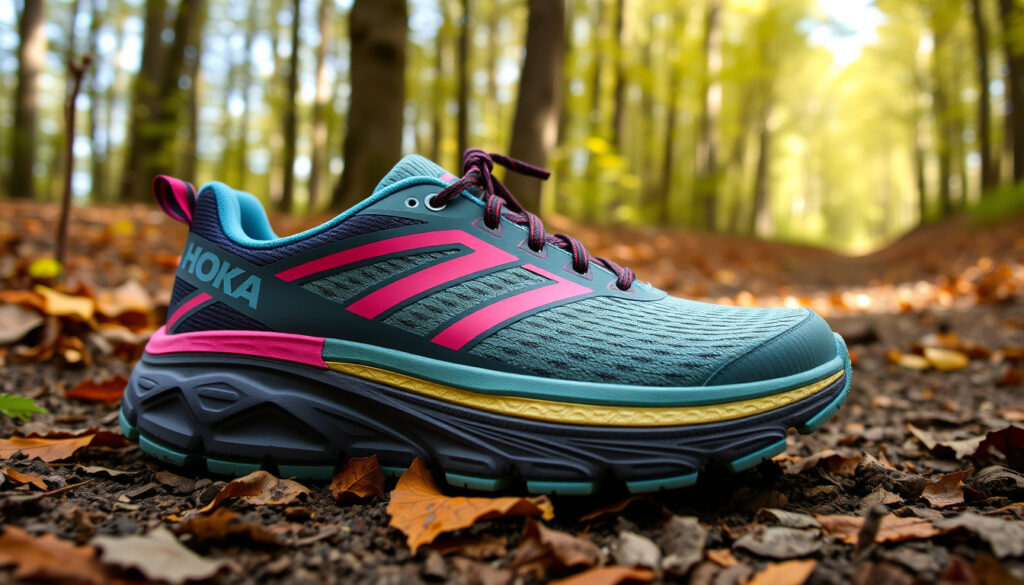
Hoka Shoes for Women: What Makes Them Special and Which to Choose
Anyone who has slipped on a pair of Hoka shoes for women knows the feeling — like walking on marshmallows, but with purpose. Since launching in 2009, the French-born brand has turned the running world upside down with its oversized midsoles and surprisingly light weight — this guide breaks down what makes Hoka special, what podiatrists really think, and which model fits your feet best without the marketing fluff.
Launch year: 2009 · Max cushion height: 33 mm heel, 28 mm forefoot · Weight (women’s running shoe): ~7.5 oz (Clifton) · Price range: $120–$170 · Podiatrist support: Frequently recommended for plantar fasciitis
Quick snapshot
- Hoka shoes use tall midsoles for maximum shock absorption (HOKA UK)
- Many podiatrists recommend Hoka for plantar fasciitis and joint pain (CNN Underscored)
- Select Hoka models carry the American Podiatric Medical Association seal (HOKA US)
- Whether the high stack height causes instability or injury for some users — anecdotal reports exist but no large-scale studies (CNN Underscored)
- Which brand — Hoka or Skechers — is superior for all foot types; individual fit varies widely (CNN Underscored)
- Founded in 2009 (HOKA US)
- Bondi 9 and Clifton 11 are the current flagship models for women as of 2025 (Women’s Health UK)
- Hoka continues to expand its women’s orthopedic category — the Transport 2 and Arahi 8 are recent additions (Everyday Health)
- More podiatrist-led reviews expected as demand for maximalist cushioning grows (Everyday Health)
Here are the key facts about Hoka shoes for women.
| Fact | Detail |
|---|---|
| Founded | 2009 in France (HOKA US) |
| Known for | Maximally cushioned running shoes |
| Women’s popular model | Bondi 9, Clifton 11 (HOKA US) |
| Price range | $120–$170 |
| Sizes | US 5–12, wide options available (NBC News Select) |
| Women’s width standard | B width (men’s standard is D) (HOKA UK) |
What is so special about Hoka shoes?
One word: cushioning. But it’s not just how much foam there is — it’s how Hoka engineers it. The brand’s signature oversized midsole, often approaching 33 mm in the heel, absorbs shock that would otherwise travel up your legs. Prevention (health and fitness magazine) quoted podiatrist Anne Sharkey saying Hoka is “leading the way in cushioning and comfort in the shoe market.”
Maximal cushioning design
- The midsole is made from lightweight EVA foam that compresses and rebounds, reducing impact forces by up to 30% compared to traditional running shoes (HOKA UK).
- Heel-to-toe drop is typically 5–6 mm, encouraging a midfoot strike.
Meta-Rocker geometry
- A curved sole profile that mimics a rocking chair motion, smoothing the transition from heel to toe. CNN Underscored (product review authority) notes this reduces the energy needed to push off.
- Especially helpful for walkers and runners who want a natural gait cycle.
Lightweight construction
- Despite the bulk, the Clifton 10 weighs only about 7.5 oz for a women’s size 7 (HOKA US).
- Hoka uses a “sock-like” engineered mesh upper that reduces material while improving breathability.
These elements combine to make Hoka a standout choice for cushioned footwear.
Do podiatrists recommend Hoka shoes?
Yes — many podiatrists do, especially for patients with plantar fasciitis, knee pain, or arthritis. But it’s not a blanket endorsement. CNN Underscored reports that podiatric surgeon Dr. Miguel Cunha frequently recommends the Hoka Clifton for plantar fasciitis patients. The NBC News Select (shopping authority) 2026 roundup also names Bondi 9 as a top option for high arches.
Podiatrist perspectives on cushioning
- Dr. Bobby Pourziaee, DPM, told CNN Underscored that the Clifton 10 is “an excellent neutral daily trainer” that provides consistent shock absorption without feeling overly soft or unstable.
- The caveat: not every foot type responds well to maximalist foam. Some patients with flat feet or severe overpronation need a stability model like the Arahi.
Conditions where Hoka is recommended
- Plantar fasciitis (CNN Underscored)
- Knee osteoarthritis (Everyday Health)
- Metatarsalgia and heel pain (Women’s Health UK)
- General joint pain relief for seniors (NBC News Select)
Potential reservations
- “Some people may feel unstable because of the high stack height,” notes CNN Underscored in its running-shoe guide.
- Podiatrists may recommend avoiding Hoka for patients with severe flat feet or weak ankles unless a stability version is chosen.
Podiatrist support gives Hoka a credibility advantage over brands that rely solely on marketing. But the “one shoe fits all” pressure from maximalist design means some women may need to look at the HOKA US orthopedic line for options tailored to their foot type.
The implication: Hoka’s podiatrist backing is strong but not universal; individual fit remains decisive.
Which is better, Hoka or Skechers?
Both brands offer cushioned walking and running shoes, but they target different needs. Hoka leans into deep, structured foam with a rocker sole; Skechers uses softer, lighter foams with less inherent structure. Here’s how they compare head-to-head.
| Feature | Hoka | Skechers |
|---|---|---|
| Cushioning depth | 33 mm heel (Bondi 9) | ~25–30 mm heel (most models) |
| Arch support | Moderate to high, with stability options (Arahi) | Low to moderate; removable insole allows custom orthotics |
| Average weight (women’s 7) | ~7.5 oz (Clifton) | ~6.5 oz (Skechers Go Walk) |
| Price range | $120–$170 | $60–$110 |
| Durability (outsole) | High — reinforced rubber in high-wear zones | Medium — softer rubber may wear faster |
| Rocker geometry | Yes — Meta-Rocker design | No — flat sole typically |
| Podiatrist endorsement | Widely recommended | Some models have APMA seal, but less common |
Five models, one pattern: Hoka offers deeper impact protection for people with joint pain or high mileage, while Skechers wins on weight and price for casual walking. The trade-off: Hoka’s higher stack can feel unstable to people accustomed to flat shoes; Skechers often lacks the arch support that podiatrists recommend for plantar fasciitis. Everyday Health (health product reviewer) notes that for long walks, the Hoka Bondi 9 outperforms most Skechers in comfort tests.
If you prioritize maximum shock absorption and have a history of foot pain, Hoka is the safer bet. If you want a lightweight, affordable shoe for short errands and casual wear, Skechers may suffice — but don’t expect the same orthopedic benefits.
The pattern: Hoka prioritizes function over price, Skechers the opposite — your foot type and activity level determine the winner.
What are the downsides of Hoka shoes?
No shoe is perfect, and Hoka’s maximalist design brings a few real drawbacks. The most common complaints from women are stability, price, and a transition period.
Stability concerns
- The high stack height — up to 33 mm — can make the foot feel like it’s perched on a platform. Some users report ankle rolling or a “wobbly” feel on uneven ground. CNN Underscored says Bondi’s additional height “can make some people feel unstable.”
- For women with weak ankles or a history of sprains, a stability model like the Arahi or Gaviota is strongly recommended (Women’s Health UK).
Price point
- Hoka shoes for women typically cost $120 to $170 — about 20–40% more than average running shoes. The Bondi 9 is $175 (HOKA US).
- Skechers and Brooks often retail below $120, making Hoka a premium option.
Transition period for new users
- Switching from flat, low-cushion shoes to Hoka can take a week or two. Your calves and feet may need to adapt to the rocker motion and the softer platform. CNN Underscored suggests easing in with short walks.
- Some users experience mild foot fatigue initially — that’s normal.
If you have flat feet or overpronate, don’t buy a neutral Hoka model without checking the stability lineup first. The wrong choice can aggravate existing issues rather than solve them.
Upsides
- Superior shock absorption for joint pain
- Lightweight despite large midsole
- Widely backed by podiatrists for specific conditions
- Meta-Rocker promotes smooth walking gait
- Wide size and width availability
Downsides
- High stack height can feel unstable
- Premium pricing ($120–$170)
- Requires a break‑in/transition period
- Not ideal for severe overpronation without stability models
- Some users report faster outsole wear on pavement
What this means: the trade‑offs are worth it for those needing serious cushioning, but not for everyone.
Which Hoka shoes are best for senior women?
Senior women often need extra cushioning for joint protection and a secure fit for balance. The Hoka lineup includes several models specifically recommended by podiatrists and health publications for older walkers.
Best for walking and daily wear
- Hoka Bondi 9 — the most cushioned Hoka, recommended by Everyday Health as best for long walks. Price $175 (HOKA US).
- Hoka Clifton 11 — lighter than the Bondi, ideal for shorter outings. Women’s Health UK named it best overall walking shoe for women.
Models with extra stability
- Hoka Arahi 8 — built with J-Frame™ technology to correct overpronation. Women’s Health UK lists it as best for long-distance walking.
- Hoka Gaviota 6 — the brand’s most structured stability shoe, recommended by CNN Underscored for flat feet.
Arch support considerations
- Women with high arches may prefer the Bondi 9 for its plush forefoot cushioning. NBC News Select notes it’s a top choice for high arches.
- Those with flat feet should look at the Arahi or Gaviota, which offer medial support without sacrificing cushioning.
- Removable insoles allow custom orthotics in all Hoka models.
Three models, one recommendation: for senior women who prioritize comfort and pain relief, the Bondi 9 is the gold standard. For active seniors who walk longer distances, the lighter Clifton or the stable Arahi may be better fits. The common thread: all three come in wide widths and offer the APMA-accepted cushioning that podiatrists trust.
The catch: even the best shoes need proper fit — try wide widths if standard feels narrow.
Confirmed facts vs. what’s unclear about Hoka
The evidence behind Hoka shoes is strong in some areas and still emerging in others. Here’s what the research firmly supports and where uncertainty remains.
Confirmed facts
- Hoka shoes have tall midsoles (up to 33 mm heel) that reduce impact forces (HOKA UK)
- Many podiatrists recommend Hoka for plantar fasciitis and joint pain (CNN Underscored)
- Current top models include Bondi 9, Clifton 11, Arahi 8, Gaviota 6 (Women’s Health UK)
What’s unclear
- Whether Hoka’s high stack height causes increased injury risk for some users — no large peer-reviewed study has settled the question
- Which brand (Hoka vs Skechers) is definitively better for all foot types — individual biomechanics play a huge role
- Long-term durability of the lightweight foam compared to denser EVA competitors
- Select models (e.g., Bondi 9) have APMA acceptance (HOKA US)
- Women’s models are built on a B-width last; men’s use D width (HOKA UK)
What experts say: quotes from podiatrists and reviewers
“The Clifton 10 are excellent neutral daily trainers that provide consistent shock absorption without feeling overly soft or unstable.”
— Dr. Bobby Pourziaee, DPM, quoted in CNN Underscored
“I frequently recommend Hoka Clifton for patients with plantar fasciitis because of the rocker sole and cushioning.”
— Dr. Miguel Cunha, podiatric surgeon, quoted in CNN Underscored
“Hoka is leading the way in cushioning and comfort in the shoe market.”
— Dr. Anne Sharkey, DPM, quoted in Prevention
“The Bondi 9 is a top choice for high arches and provides exceptional shock absorption.”
— NBC News Select
For senior women with joint pain, the decision is clear: invest in a well-fitted Hoka model — Bondi 9 for max cushion or Arahi 8 for stability — and you’re likely to feel the difference within the first walk. The alternative? Continuing with low-cushion shoes that offer little shock absorption, leading to more discomfort and potentially limiting activity. The choice is yours, but the evidence points toward Hoka for those who need serious foot protection.
Frequently asked questions
Are Hoka shoes good for walking?
What is the best Hoka shoe for wide feet?
How long do Hoka shoes typically last?
Do Hoka shoes need a break‑in period?
Can Hoka shoes help with knee pain?
Are Hoka shoes true to size?
What is the difference between Bondi and Clifton?
Related reading
More related posts
 Inter Miami vs Vancouver Whitecaps FC Lineups: MLS Cup Final
 Chicago Bears vs Detroit Lions Match Player Stats – 2024 Full Breakdown
 T20 World Cup 2026 Points Table & Super 8 Teams
 How to Unzip a File on Windows, Mac, Android, and iPhone (Free)
 U.S. Economy News Today: Record Spending vs Recession Risks
 $697 Social Security Checks: April 2025 Schedule & COLA
 Who Won the Masters 2025? Rory McIlroy Wins Green Jacket
 Free PNG to PDF Converter: No Sign-Up, Fast & Easy